
Post-Surgical Physiotherapy in Langley
Surgery can be an important step in treating an injury, joint condition, fracture or other musculoskeletal problem. The recovery process does not end when the procedure is complete.
At Divine Care Physiotherapy, your post-surgical rehabilitation is individualized around your surgery, healing stage, current mobility, strength, functional limitations, surgeon or specialist instructions, and your recovery goals.
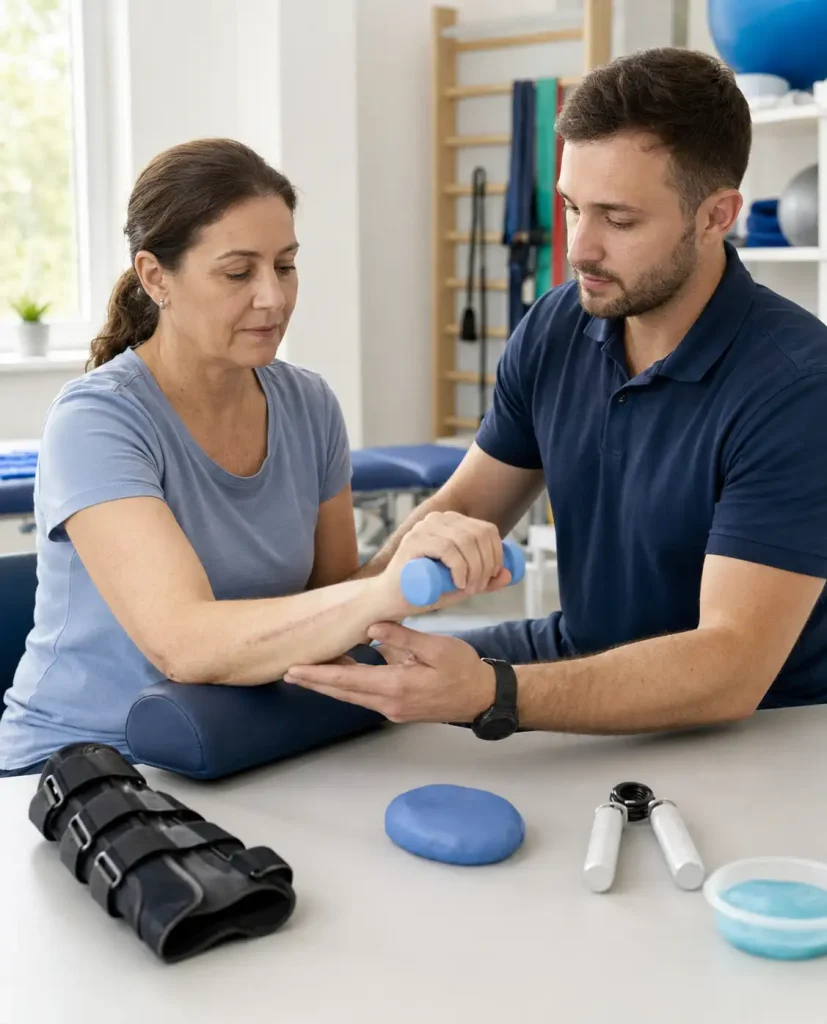
What Is Post-Surgical Physiotherapy?
Post-surgical physiotherapy, also known as post-operative rehabilitation, is designed to support recovery after surgery when rehabilitation is recommended by your surgeon or healthcare provider.
Following surgery, the healing process may temporarily affect mobility, strength and physical function. Depending on the procedure, you may experience pain, swelling, joint stiffness, muscle weakness, reduced mobility, or difficulty with everyday activities.
Post-Surgical Physiotherapy for a range of procedures
Divine Care Physiotherapy provides individualized rehabilitation for orthopedic and musculoskeletal procedures. Your program depends on your surgery, symptoms, healing stage and recovery goals.
Joint Replacement
Rehabilitation following joint replacement can focus on mobility, strength, walking tolerance and independence.
- Total Knee Replacement
- Total Hip Replacement
- Joint reconstruction
- Joint-related rehabilitation
ACL, Meniscus & Ligament Surgery
Progressive rehabilitation can help restore strength, stability, movement and physical capacity.
- ACL reconstruction
- Meniscus repair
- MCL-related rehabilitation
- Ligament reconstruction
Shoulder Surgery
Rehabilitation is progressed according to the procedure, healing stage and specific movement precautions.
- Rotator cuff repair
- Shoulder stabilization
- Post-dislocation rehabilitation
- Shoulder strengthening
Fracture Rehabilitation
Physiotherapy may help restore mobility, strength, flexibility and functional use as healing progresses.
- Post-surgical fracture rehabilitation
- Colles' fractures
- Boxer's fractures
- Arm and forearm fractures
- Leg and foot fractures
Hand & Wrist Procedures
Rehabilitation can address movement, strength and functional use following appropriate procedures.
- Carpal tunnel release
- Hand surgery rehabilitation
- Wrist surgery rehabilitation
- Hand and wrist fractures
Spine & Orthopedic Procedures
Some orthopedic procedures may benefit from individualized physiotherapy and functional rehabilitation.
- Certain spinal surgeries
- Joint stabilization procedures
- Orthopedic surgeries
- Functional rehabilitation
Why physiotherapy after surgery matters
After surgery, many people experience temporary changes in strength, mobility, flexibility and physical function. Rehabilitation can provide structured guidance as you work through the different stages of recovery.
Manage Symptoms
Understand symptoms and appropriate activity as your recovery progresses.
Restore Mobility
Work toward appropriate range of motion and movement following surgery.
Rebuild Strength
Progressive exercise can help restore muscle strength and capacity.
Improve Function
Rebuild the physical abilities needed for everyday activities.
Improve Balance
Balance and coordination can be addressed when they are affected.
Return to Activity
Progress toward work, recreation and sport where appropriate.
What happens as your recovery progresses?
Recovery after surgery is different for every individual. Your treatment plan can be adjusted as your healing, strength, mobility and function change.
Early Phase
Assessment and recovery support within your post-operative instructions.
- Review surgical instructions
- Assess physical function
- Evaluate pain and swelling
- Identify mobility restrictions
- Introduce appropriate exercises
Middle Phase
Restore movement, strength and functional capacity as healing progresses.
- Improve range of motion
- Restore joint mobility
- Improve muscle strength
- Improve balance and coordination
- Increase activity tolerance
Later Phase
Work toward higher-level activity, work, recreation or sport where appropriate.
- Increase strength and endurance
- Improve movement quality
- Return to work activities
- Return to recreation
- Return to sport where appropriate

Prehabilitation: physiotherapy before surgery
If you have a planned procedure, physiotherapy before surgery may be beneficial in certain situations. Prehabilitation focuses on preparing your body for surgery and the rehabilitation process that follows.
Depending on your condition, prehabilitation may focus on maintaining or improving joint mobility, muscle strength, balance, physical fitness and understanding the exercises that may be used after surgery.
Consult your surgeon or healthcare provider to determine whether pre-operative physiotherapy is appropriate for your situation.
We work with your post-operative instructions.
Every surgical procedure is different. Your surgeon or specialist may provide specific recommendations that guide your recovery process.
Your physiotherapist will review these instructions and incorporate them into your individualized rehabilitation plan.
Book Your Assessment →Your instructions may include
- Weight-bearing restrictions
- Movement precautions
- Activity limitations
- Exercise recommendations
- Recovery timelines
- Return-to-work guidelines
Bring your post-operative instructions, surgical reports or specialist recommendations to your initial physiotherapy appointment.
How we approach post-surgical rehabilitation
Treatment recommendations vary according to the surgery, recovery stage, symptoms, assessment findings and functional goals.
Exercise Therapy
Exercises may be used to improve strength, mobility, flexibility, balance, conditioning and functional movement.
Active Rehabilitation
Exercise-based rehabilitation can help you transition toward work, recreation, fitness and sport.
Mobility Restoration
Your program may include appropriate strategies to restore movement affected by surgery or inactivity.
Functional Movement
Rehabilitation can progress toward the physical demands of everyday life and your personal goals.
Class IV Laser Therapy
May be considered where appropriate as part of a broader individualized physiotherapy plan.
Taping
May be used in selected situations for support, stability, movement awareness or swelling management.
What to expect at your first appointment
Your first appointment is about understanding your surgery, recovery stage, current limitations and goals before progressing your rehabilitation.
Discuss your surgery, symptoms, history and post-operative instructions.
Review mobility, strength, movement and functional limitations.
Develop short- and long-term rehabilitation goals around your recovery.
Reassess your recovery and adjust exercises and treatment as needed.
Related physiotherapy services
Depending on your assessment and recovery goals, your rehabilitation may connect with other services available at Divine Care Physiotherapy.
Post-Surgical Physiotherapy FAQs
Common questions patients ask before starting rehabilitation after surgery.
Do I need a doctor's referral for Post-Surgical Physiotherapy?
A doctor's referral is generally not required to book an appointment with a physiotherapist at Divine Care Physiotherapy. If you have recently undergone surgery, bring any post-operative instructions, surgical reports or recommendations from your surgeon or specialist.
When should I start physiotherapy after surgery?
The appropriate time depends on the type of surgery, healing progress, surgeon recommendations, current symptoms and functional limitations. Your physiotherapist can work within the recommendations provided by your healthcare team.
How many physiotherapy sessions will I need after surgery?
There is no fixed number of sessions for every patient. The amount of rehabilitation depends on the procedure, healing response, physical abilities, functional goals and progress.
Will physiotherapy exercises damage my surgical repair?
Exercises are selected and progressed according to your surgical instructions, healing stage, symptoms and functional abilities. Continue following the post-operative instructions provided by your surgeon and discuss any concerns with your physiotherapist.
Can I have physiotherapy before surgery?
In certain situations, physiotherapy before surgery may be appropriate. Prehabilitation may focus on strength, mobility, fitness, balance and preparation for the rehabilitation process after surgery.
Can Post-Surgical Physiotherapy help me return to sport?
For appropriate sports-related procedures, rehabilitation may gradually progress toward strength, conditioning, movement and sport-specific demands. Progression depends on the surgery, healing stage and recommendations from your healthcare team.
Ready to start your recovery plan?
Book an assessment at Divine Care Physiotherapy in Langley. Your physiotherapist can review your surgery, recovery stage, current limitations and goals before developing an individualized rehabilitation plan.