
Musculoskeletal Physiotherapy
Muscle, joint, tendon and bone pain can affect your movement and make everyday activities more difficult. At Divine Care Physiotherapy, we assess your condition, understand your symptoms and goals, and develop an individualised treatment approach to help improve movement, manage pain and support your recovery.
Musculoskeletal (MSK) physiotherapy focuses on conditions affecting the muscles, joints, ligaments, tendons and other structures involved in movement. Whether your pain or injury is related to a sports injury, repetitive strain, surgery or another musculoskeletal condition, our physiotherapy team in Langley can assess your condition and recommend an appropriate treatment plan based on your individual needs. If your injury is related to physical activity or athletics, your rehabilitation may also incorporate principles commonly used in our Sports Physiotherapy programs to help support a safe return to activity.
Our goal is to help reduce pain, improve movement and support your return to everyday activities.
What is Musculoskeletal Physiotherapy?
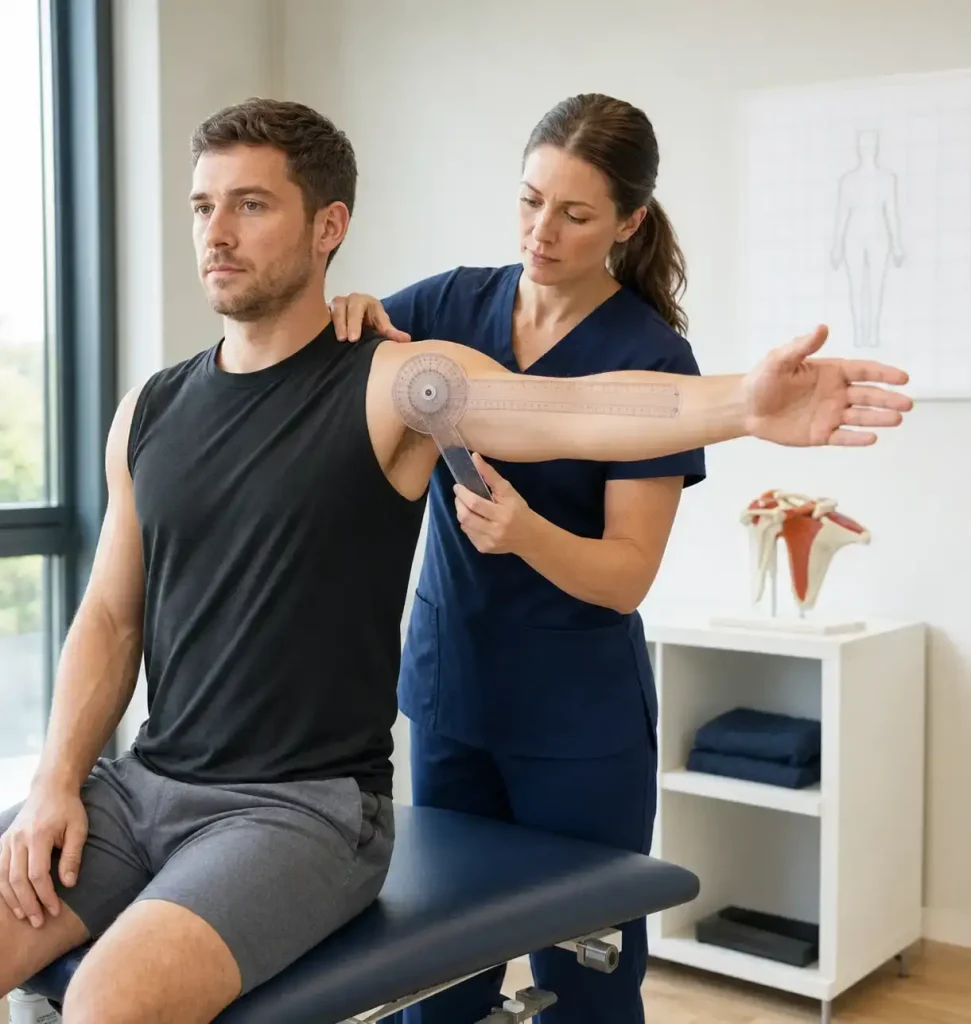
Musculoskeletal physiotherapy focuses on conditions that affect movement and physical function. A physiotherapist assesses your symptoms, movement, strength and overall function to better understand your condition and identify factors that may be contributing to pain or movement limitations.
Based on your assessment, your physiotherapist will recommend an individualised treatment plan. Depending on your condition, treatment may include Manual Physiotherapy, therapeutic exercise, education and other evidence-informed physiotherapy techniques to support recovery and improve function.
Musculoskeletal physiotherapy is a non-surgical approach that may help manage a wide range of musculoskeletal conditions. For many people, recovery also includes Active Rehabilitation (Kinesiology), where structured exercise programs are designed to improve strength, mobility, balance and long-term movement quality alongside hands-on treatment.

How We Treat Musculoskeletal Pain
There is no single treatment approach that is suitable for every musculoskeletal condition. The techniques used during physiotherapy depend on your condition, symptoms, physical assessment and recovery goals. At our Langley clinic, your physiotherapist will create a personalised treatment plan that may combine several evidence-informed physiotherapy techniques to help improve movement, reduce pain and restore physical function.
Manual Therapy
Hands-on treatment techniques, including joint mobilisation and soft tissue therapy, may be used to help reduce pain, improve joint mobility and restore normal movement patterns. Depending on your assessment findings, Manual Physiotherapy may be combined with exercise-based rehabilitation to support your recovery.
Exercise & Active Rehabilitation
IMS & Dry Needling
IMS and Dry Needling may be recommended for appropriate musculoskeletal conditions involving muscle tightness, trigger points or persistent pain. Following your assessment, your physiotherapist will determine whether these techniques are appropriate as part of your overall treatment plan.
Shockwave Therapy uses acoustic wave technology and may be recommended for certain chronic musculoskeletal conditions, including some tendon-related injuries and persistent overuse conditions. When clinically appropriate, it can be incorporated into your personalised physiotherapy program.
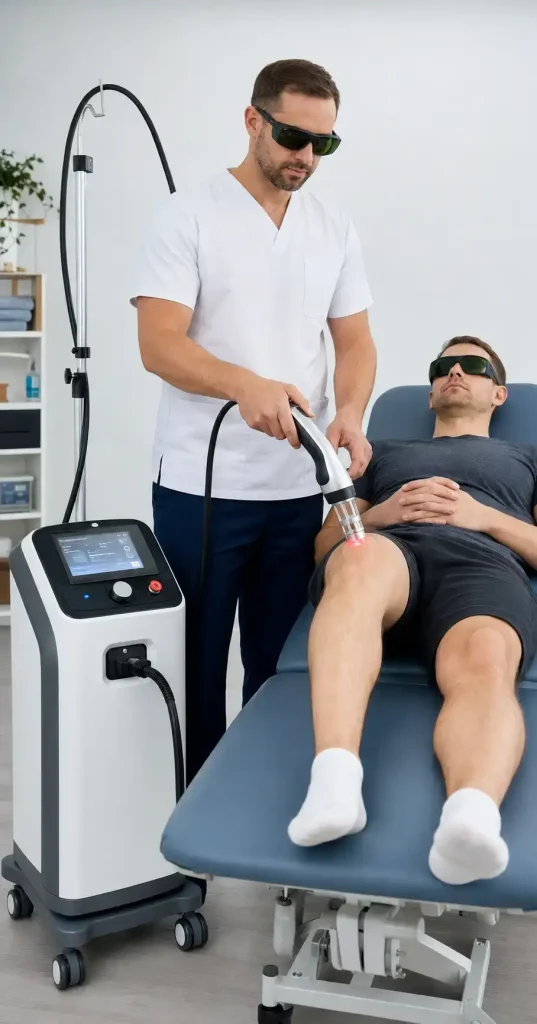
Class IV Laser Therapy is one of the treatment options available at Divine Care Physiotherapy. Depending on your condition and clinical assessment, it may be included alongside other physiotherapy treatments to help support your rehabilitation.
Taping techniques may be used to provide additional support, improve stability and assist with pain or swelling during recovery. Your physiotherapist will also provide education about your condition, activity modification and self-management strategies to help you continue progressing between appointments.

What to Expect at Your First Visit
Your first appointment allows your physiotherapist to understand your condition, assess your symptoms and movement, and develop a treatment plan based on your individual needs and recovery goals.
Assessment & Listening
Your physiotherapist will discuss your symptoms, medical history, lifestyle and concerns while gaining an understanding of what you hope to achieve through physiotherapy. A detailed physical assessment may then be completed based on your symptoms and functional limitations.
Explanation & Treatment Planning
After your assessment, your physiotherapist will explain their findings, discuss the factors contributing to your condition and recommend a personalised treatment plan. This may include a combination of Manual Physiotherapy, Active Rehabilitation, education and other treatment techniques that best suit your individual needs.
Treatment & Home Recommendations
Where appropriate, treatment may begin during your first appointment. Your physiotherapist may also recommend home exercises, activity modifications and self-management strategies to help support your progress between visits.
Progress & Return to Activity
Who We Help
Musculoskeletal physiotherapy may be suitable for people whose pain, injury or movement limitations are affecting their daily life, including:
- Office workers experiencing neck, back or repetitive strain problems
- Athletes and active individuals recovering from sports or exercise-related injuries
- People managing musculoskeletal conditions such as arthritis
- Individuals recovering after surgery or injury
- Older adults who want to maintain mobility, strength and independence
- Anyone experiencing ongoing pain, stiffness or reduced movement that affects everyday activities
Why Choose Divine Care Physiotherapy
At Divine Care Physiotherapy in Langley, we provide personalised care for a wide range of musculoskeletal conditions. Every treatment plan begins with a detailed assessment to understand your symptoms, identify contributing factors and develop an approach that is tailored to your individual goals.
Depending on your condition, treatment may include a combination of Manual Physiotherapy, Active Rehabilitation (Kinesiology) and other evidence-informed physiotherapy techniques to improve movement, reduce pain and support long-term recovery. When appropriate, additional treatment options such as Shockwave Therapy, IMS & Dry Needling, Class IV Laser Therapy or Kinesio Taping may also be incorporated into your rehabilitation program.
Our focus is not only on helping you recover from your current condition but also on improving movement, restoring function and helping reduce the risk of future injuries through education and personalised exercise programs.
If your physiotherapist identifies signs or symptoms that require further medical assessment, they will recommend that you consult your doctor or another appropriate healthcare professional.

- Physiotherapist names and verified credentials
- Years of clinical experience
- Direct Billing information
- ICBC claims
- WorkSafeBC claims
Frequently Asked Questions
Do I need a doctor's referral to book?
No. You don’t need a doctor’s referral to book an appointment with a physiotherapist at Divine Care Physiotherapy. If your physiotherapist believes further medical assessment is necessary, they will recommend that you consult your doctor.
How many sessions will I need?
The number of sessions varies depending on your condition, its severity, how long you’ve been experiencing symptoms and your recovery goals. After your assessment, your physiotherapist will discuss a recommended treatment plan and adjust it as your progress develops.
What's the difference between musculoskeletal and orthopaedic physiotherapy?
There is considerable overlap between musculoskeletal and orthopaedic physiotherapy. Both focus on conditions affecting muscles, joints, bones, ligaments and tendons. Orthopaedic physiotherapy often places additional emphasis on rehabilitation following orthopaedic injuries or surgery.
Will treatment hurt?
Physiotherapy techniques vary depending on the condition being treated. Some hands-on treatments or exercises may feel mildly uncomfortable, but your physiotherapist will explain each technique and adjust treatment to ensure it remains appropriate for your condition and comfort level.
Can physiotherapy help me avoid surgery?
Many musculoskeletal conditions can be managed successfully with conservative physiotherapy treatment. However, whether surgery is necessary depends on your specific diagnosis and individual circumstances. Your physiotherapist can assess your condition, recommend appropriate treatment and advise when further medical assessment may be beneficial.
How soon can I be seen?
You can book an appointment online or contact Divine Care Physiotherapy by phone to enquire about appointment availability.
Ready to Move with Less Pain?
Book your Musculoskeletal Physiotherapy Assessment at Divine Care Physiotherapy in Langley to discuss your symptoms, understand your treatment options and begin a personalised plan designed to help improve movement, manage pain and support your recovery.