
Post-Surgical Physiotherapy in Langley
Surgery is often an important step in treating injuries, joint conditions, fractures, and other musculoskeletal problems, but rehabilitation is equally important in helping you regain movement, strength, and function after your procedure.
At Divine Care Physiotherapy in Langley, we provide individualized post-surgical physiotherapy designed to support your recovery after surgery. Your physiotherapist will assess your condition, review any instructions provided by your surgeon or specialist, and develop a rehabilitation plan focused on improving mobility, restoring strength, enhancing function, and helping you return to your normal activities safely and efficiently.
Because many post-operative conditions affect muscles, joints, ligaments, and soft tissues, post-surgical rehabilitation often incorporates principles used in Musculoskeletal Physiotherapy to help restore physical function and improve overall recovery outcomes.
What Is Post-Surgical Physiotherapy?
Post-surgical physiotherapy, also known as post-operative rehabilitation, is a physiotherapy service designed to help individuals recover after surgery when rehabilitation is recommended by their surgeon or healthcare provider.
Following surgery, the operated area undergoes a natural healing process that may temporarily affect mobility, strength, and overall physical function. Depending on the procedure performed, you may experience:
- Pain
- Swelling
- Joint stiffness
- Muscle weakness
- Reduced mobility
- Difficulty performing daily activities
- Reduced balance and coordination
Post-surgical physiotherapy helps support recovery through comprehensive assessment, education, physiotherapy treatment techniques, and progressive exercise programs tailored to your individual condition.
Your rehabilitation plan will be based on factors such as:
- The type of surgery performed
- Your current physical condition
- Healing progress
- Functional limitations
- Surgeon or specialist recommendations
- Personal recovery goals
The primary objective is to help you recover safely while minimizing unnecessary limitations and restoring your ability to participate in everyday activities.
Why Physiotherapy After Surgery Matters
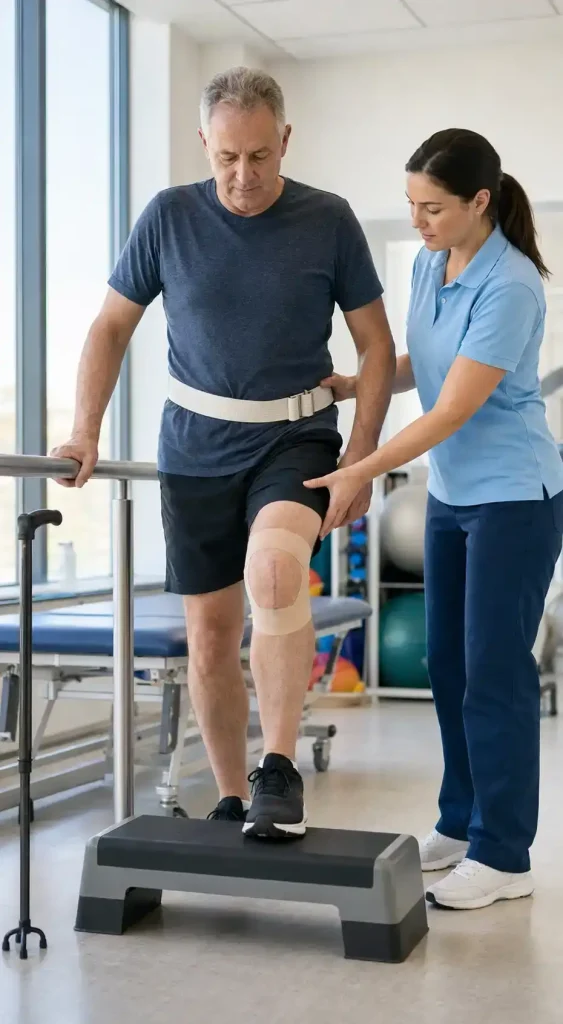
After surgery, many people experience a temporary loss of strength, mobility, flexibility, and physical function. Without appropriate rehabilitation, these limitations can affect daily activities and delay recovery.
Physiotherapy may help you:
- Manage pain and post-operative symptoms
- Improve mobility and range of motion
- Restore muscle strength
- Improve balance and coordination
- Enhance physical function
- Return to everyday activities safely
- Work toward returning to recreational and physical activities
For many orthopedic procedures, rehabilitation follows similar recovery principles used in Musculoskeletal Physiotherapy, where treatment focuses on restoring normal movement patterns, improving joint function, and rebuilding strength throughout the recovery process.
At Divine Care Physiotherapy, your physiotherapist will assess your current condition and provide guidance on appropriate exercises, activity progression, and physiotherapy treatments based on your recovery stage.
If your physiotherapist identifies any concerns requiring further medical evaluation, you may be referred to the appropriate healthcare professional.

Surgeries and Conditions We Help With
Post-surgical rehabilitation is always individualized according to your procedure, symptoms, and recovery goals.
Divine Care Physiotherapy provides post-surgical rehabilitation for a wide range of orthopedic and musculoskeletal conditions.
Joint Replacement Rehabilitation
- Total Knee Replacement (TKR)
- Total Hip Replacement (THR)
- Joint reconstruction procedures
- Joint-related post-surgical rehabilitation
Joint replacement rehabilitation focuses on improving mobility, restoring strength, increasing walking tolerance, and helping individuals regain independence in daily activities.
Ligament and Soft Tissue Injury Rehabilitation
- ACL reconstruction rehabilitation
- MCL injuries
- Meniscus repair surgery
- Rotator cuff repair surgery
- Shoulder stabilization procedures
- Post-dislocation rehabilitation
- Other ligament reconstruction procedures
Many of these conditions are commonly seen in active individuals and athletes. For patients preparing to return to sport-specific activities following surgery, rehabilitation may also incorporate principles commonly used in Sports Physiotherapy to help restore performance, strength, agility, and movement confidence.
Fracture Rehabilitation
- Post-surgical fracture rehabilitation
- Non-surgical fracture physiotherapy
- Colles’ fractures
- Boxer’s fractures
- Arm fractures
- Forearm fractures
- Hand fractures
- Leg fractures
- Foot fractures
Fracture rehabilitation focuses on restoring mobility, strength, flexibility, and functional use of the affected area after healing progresses.


Prehabilitation: Physiotherapy Before Surgery
If you have a planned surgery, physiotherapy before the procedure may be beneficial in certain situations. This approach is often referred to as prehabilitation and focuses on preparing your body for surgery and the recovery process that follows.
Divine Care Physiotherapy’s existing information on ACL rehabilitation and knee replacement rehabilitation highlights the potential benefits of maintaining strength and mobility before surgery whenever appropriate.
Depending on your condition, prehabilitation may focus on:
- Maintaining or improving joint mobility
- Improving muscle strength
- Enhancing balance and coordination
- Improving physical fitness and endurance
- Learning exercises that may be used after surgery
- Understanding the rehabilitation process
- Preparing for a smoother post-operative recovery
Many prehabilitation programs incorporate principles commonly used in Musculoskeletal Physiotherapy, helping patients optimize movement, strength, and function before surgery takes place.
If you have a planned procedure, consult your surgeon or healthcare provider to determine whether pre-operative physiotherapy may be appropriate for your situation.
Your Recovery Journey
Recovery after surgery is different for every individual. Factors such as the type of procedure performed, your overall health, healing capacity, age, and activity level can all influence the rehabilitation process.
At Divine Care Physiotherapy, your treatment plan is continually adjusted based on your progress and recovery needs.
Early Phase – Assessment and Recovery Support
During the initial stages of recovery, your physiotherapist may:
- Assess your current physical function
- Review post-operative instructions
- Evaluate pain and swelling
- Identify mobility restrictions
- Provide education regarding recovery expectations
- Recommend appropriate exercises and activities
- Use suitable physiotherapy techniques where indicated
The primary focus during this phase is supporting healing while maintaining as much safe movement and function as possible.
Middle Phase – Restore Movement and Function
As healing progresses, rehabilitation may focus on:
- Improving range of motion
- Restoring joint mobility
- Improving muscle strength
- Improving balance and coordination
- Enhancing functional movement patterns
- Increasing tolerance for everyday activities
- Progressing exercises appropriately
Many patients recovering from orthopedic surgery experience movement limitations similar to those treated through Musculoskeletal Physiotherapy, making movement retraining and functional restoration important components of recovery.
Your physiotherapist will continually monitor your progress and adjust your rehabilitation program accordingly.
Later Phase – Return to Activities
As recovery advances, rehabilitation goals often shift toward higher-level activities and long-term function.
Treatment during this stage may focus on:
- Improving overall physical function
- Increasing strength and endurance
- Enhancing movement quality
- Returning to work-related activities
- Returning to recreational activities
- Returning to sport where appropriate
For individuals recovering from ACL reconstruction, rotator cuff repair, meniscus surgery, shoulder stabilization procedures, or other sports-related surgeries, rehabilitation may include components commonly used in Sports Physiotherapy to help prepare the body for higher levels of physical activity and sport-specific demands.
Your physiotherapist will ensure progression occurs at a pace appropriate for your healing stage and recovery goals.
We Work With Your Post-Operative Instructions
Every surgical procedure is unique, and your surgeon or specialist may provide specific post-operative recommendations that guide your recovery process.
These instructions may include:
- Weight-bearing restrictions
- Movement precautions
- Activity limitations
- Exercise recommendations
- Recovery timelines
- Return-to-work guidelines
Please bring any post-operative instructions, surgical reports, or specialist recommendations to your initial physiotherapy appointment.
Your physiotherapist will carefully review this information and incorporate it into your individualized rehabilitation plan.
If concerns arise during your recovery that require medical review, your physiotherapist may recommend follow-up with your physician, surgeon, or another healthcare professional.
How We Treat
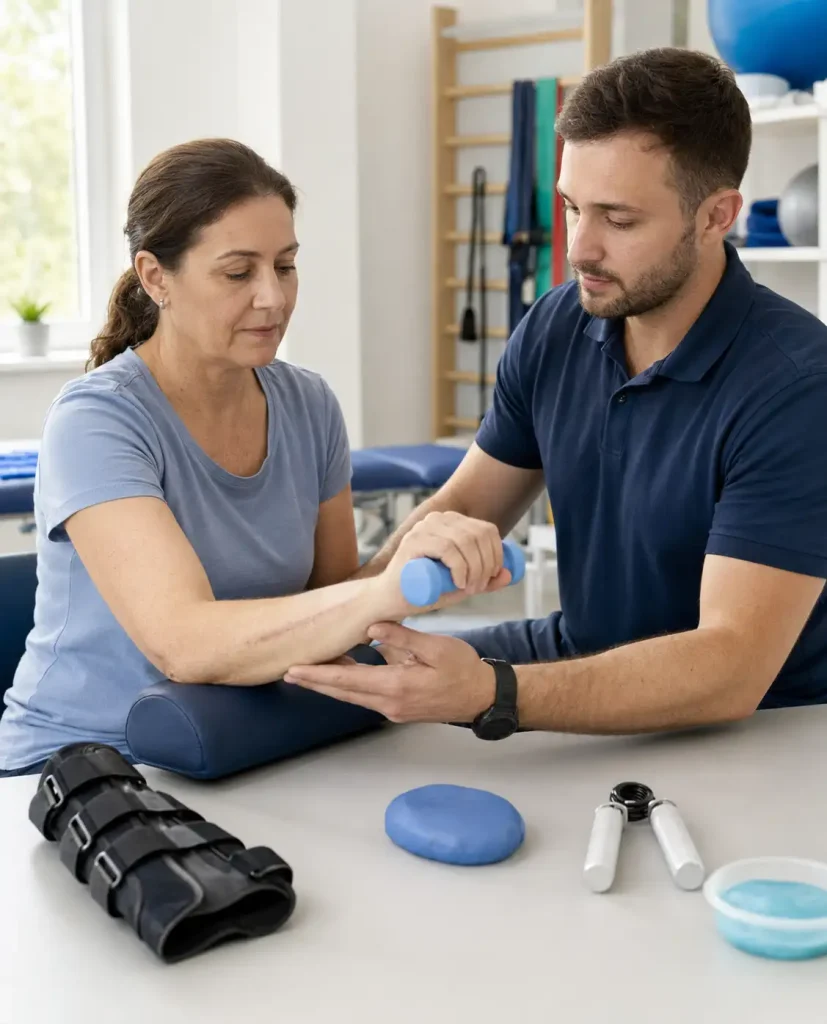
Treatment recommendations vary based on the type of surgery performed, your recovery stage, current symptoms, and functional goals. At Divine Care Physiotherapy, treatment plans are tailored to each individual’s needs.
Physiotherapy Techniques
Depending on your assessment findings, your physiotherapist may use a variety of physiotherapy techniques to help improve mobility, reduce physical limitations, and support functional recovery.
Treatment approaches are selected according to your condition, stage of healing, and rehabilitation goals.
Exercise Therapy and Active Rehabilitation
Exercise therapy is one of the most important components of post-surgical recovery.
Your rehabilitation program may include exercises designed to:
- Improve strength
- Restore mobility
- Improve flexibility
- Enhance balance and coordination
- Improve physical conditioning
- Restore functional movement
Exercises are carefully selected and progressed according to your individual recovery stage, functional abilities, and treatment goals.
Laser Therapy – Class IV
Class IV Laser Therapy is one of the physiotherapy services available at Divine Care Physiotherapy. Depending on your condition and rehabilitation needs, your physiotherapist will determine whether this treatment may be appropriate as part of your overall recovery plan. Recommendations are based on your individual assessment and current stage of healing.
Taping
Taping techniques may be used in appropriate situations to provide temporary support, improve movement awareness, assist with stability, or help manage swelling. Whether taping is suitable for your condition will depend on your assessment findings and rehabilitation goals. Your physiotherapist will determine if taping may be beneficial during your recovery process.
Education and Home Exercise Programs
Education plays an important role throughout rehabilitation.
Your physiotherapist may provide guidance regarding:
- Activity modification
- Recovery expectations
- Exercise progression
- Mobility strategies
- Home exercise routines
- Long-term injury prevention
A personalized home exercise program may be provided to help support progress between appointments and encourage continued improvement throughout recovery.
What to Expect at Your First Visit
Comprehensive Assessment
Your first appointment begins with a detailed review of your medical history, surgery, current symptoms, and rehabilitation goals.
Your physiotherapist will discuss:
- Your surgery or procedure
- Post-operative instructions from your surgeon or specialist
- Current pain levels
- Swelling and inflammation
- Mobility limitations
- Strength deficits
- Functional challenges
- Recovery goals
A thorough assessment allows your physiotherapist to understand your current stage of recovery and develop an appropriate rehabilitation strategy tailored to your needs.
Your Individualized Recovery Plan
Following your assessment, your physiotherapist will explain their findings and discuss a rehabilitation plan designed specifically for your recovery.
Your treatment plan may include:
- Short-term recovery goals
- Long-term functional goals
- Exercise therapy
- Mobility restoration strategies
- Physiotherapy techniques
- Activity recommendations
- Home exercise programs
Every rehabilitation plan is individualized based on your surgery, healing progress, physical abilities, and lifestyle requirements.
Treatment and Home Exercise Program
Depending on your condition and post-operative guidelines, treatment may begin during your first appointment.
Your physiotherapist may provide:
- Mobility exercises
- Strengthening exercises
- Functional movement training
- Activity recommendations
- Home exercise instructions
These exercises are designed to support your recovery between physiotherapy sessions and help you continue progressing safely.
Ongoing Progress Monitoring
Throughout your rehabilitation journey, your physiotherapist may:
- Reassess your recovery progress
- Monitor mobility improvements
- Progress strengthening exercises
- Modify treatment plans as needed
- Address new concerns that arise during recovery
- Help you work toward functional milestones
Regular reassessment helps ensure your rehabilitation program remains appropriate for your condition and stage of recovery.
Hand and Wrist Procedures
- Carpal tunnel release surgery
- Hand surgery rehabilitation
- Wrist surgery rehabilitation
Spine and Orthopedic Procedures
- Certain spinal surgeries
- Joint stabilization procedures
- Orthopedic surgeries requiring rehabilitation
Physiotherapy may also be appropriate for some individuals recovering from non-surgical orthopedic conditions where rehabilitation is recommended.
Who Can Benefit From Post-Surgical Physiotherapy?
Post-surgical physiotherapy may be beneficial for individuals recovering from a variety of orthopedic and musculoskeletal procedures, including:
Joint Replacement Procedures
- Total Knee Replacement (TKR)
- Total Hip Replacement (THR)
- Other joint reconstruction procedures
Sports-Related Surgical Procedures
- ACL reconstruction
- Meniscus repair surgery
- Rotator cuff repair surgery
- Shoulder stabilization surgery
- Ligament reconstruction procedures
- Post-dislocation rehabilitation
Individuals recovering from these procedures often require advanced strengthening, movement retraining, and return-to-activity planning similar to the rehabilitation approaches used in Sports Physiotherapy.
Fracture Rehabilitation
- Surgical fracture fixation
- Non-surgical fracture recovery
- Colles’ fractures
- Boxer’s fractures
- Arm fractures
- Leg fractures
- Foot fractures
- Hand and wrist fractures
Why Choose Divine Care Physiotherapy?
Recovering after surgery often involves more than simply waiting for tissues to heal. Many individuals need guidance to restore movement, rebuild strength, improve mobility, and safely return to their desired activities.
At Divine Care Physiotherapy in Langley, our physiotherapists focus on providing individualized rehabilitation programs designed around your unique recovery needs.
Our approach includes:
- Comprehensive physical assessments
- Individualized rehabilitation planning
- Consideration of surgeon and specialist recommendations
- Education throughout the recovery process
- Progressive exercise therapy
- Functional movement restoration
- Ongoing progress monitoring
- Referrals to other healthcare professionals when appropriate
Many post-surgical conditions involve challenges related to movement, strength, flexibility, and function. As a result, rehabilitation often incorporates evidence-informed approaches commonly used in Musculoskeletal Physiotherapy and Active Rehabilitation to help patients return to daily activities with confidence.
Divine Care Physiotherapy states that its practitioners are highly trained, experienced, and committed to ongoing professional development. The clinic also states that treatment approaches are selected based on current evidence and individual patient needs.
Hand and Wrist Procedures
- Carpal tunnel release surgery
- Hand surgery rehabilitation
- Wrist surgery rehabilitation
Spine and Orthopedic Procedures
- Certain spinal surgeries
- Joint stabilization procedures
- Orthopedic surgeries requiring rehabilitation
Physiotherapy may also be appropriate for some individuals recovering from non-surgical orthopedic conditions where rehabilitation is recommended.
Who Can Benefit From Post-Surgical Physiotherapy?
Post-surgical physiotherapy may be beneficial for individuals recovering from a variety of orthopedic and musculoskeletal procedures, including:
Joint Replacement Procedures
- Total Knee Replacement (TKR)
- Total Hip Replacement (THR)
- Other joint reconstruction procedures
Sports-Related Surgical Procedures
- ACL reconstruction
- Meniscus repair surgery
- Rotator cuff repair surgery
- Shoulder stabilization surgery
- Ligament reconstruction procedures
- Post-dislocation rehabilitation
Individuals recovering from these procedures often require advanced strengthening, movement retraining, and return-to-activity planning similar to the rehabilitation approaches used in Sports Physiotherapy.
Fracture Rehabilitation
- Surgical fracture fixation
- Non-surgical fracture recovery
- Colles’ fractures
- Boxer’s fractures
- Arm fractures
- Leg fractures
- Foot fractures
- Hand and wrist fractures
Frequently Asked Questions
Do I Need a Doctor's Referral to Start Post-Surgical Physiotherapy?
No. A doctor’s referral is generally not required to book an appointment with a physiotherapist at Divine Care Physiotherapy.
However, if you have recently undergone surgery, it is important to bring any post-operative instructions, reports, or recommendations provided by your surgeon or specialist.
If your physiotherapist identifies concerns requiring further medical evaluation, they may recommend consultation with the appropriate healthcare professional.
When Should I Start Physiotherapy After Surgery?
The ideal time to begin physiotherapy depends on:
- The type of surgery performed
- Your healing progress
- Surgeon recommendations
- Current symptoms
- Functional limitations
Some individuals may begin rehabilitation shortly after surgery, while others may require a period of protection before certain exercises or activities are introduced.
Your physiotherapist will consider your post-operative guidelines and individual circumstances when developing your treatment plan.
How Many Physiotherapy Sessions Will I Need?
The number of sessions required varies between individuals.
Factors that may influence recovery include:
- Type of surgery
- Severity of the original condition
- Healing response
- Age
- General health
- Functional goals
- Activity level
Your physiotherapist will regularly reassess your progress and adjust your rehabilitation program accordingly.
Will Physiotherapy Exercises Damage My Surgical Repair?
Rehabilitation exercises are selected and progressed according to:
- Your surgeon’s recommendations
- Healing timelines
- Current symptoms
- Functional abilities
A properly designed rehabilitation program is intended to support recovery while respecting tissue healing.
If you have concerns about specific movements or exercises, discuss them with your physiotherapist and continue following all post-operative instructions provided by your surgeon.
Can I Do Physiotherapy Before Surgery?
Yes, in some cases physiotherapy before surgery may be beneficial.
Prehabilitation programs may help:
- Improve strength
- Improve mobility
- Enhance fitness
- Prepare for post-operative exercises
- Improve confidence before surgery
Divine Care Physiotherapy’s ACL rehabilitation and knee replacement rehabilitation resources discuss how pre-operative exercise may help prepare individuals for surgery and recovery.
Whether prehabilitation is appropriate depends on your condition and the procedure being planned. Your healthcare provider can help determine whether pre-operative physiotherapy is suitable for you.
Recover With Individualized Rehabilitation Support
Book Your Post-Surgical Physiotherapy Assessment Today
Take the next step toward restoring movement, strength, and confidence after surgery.