
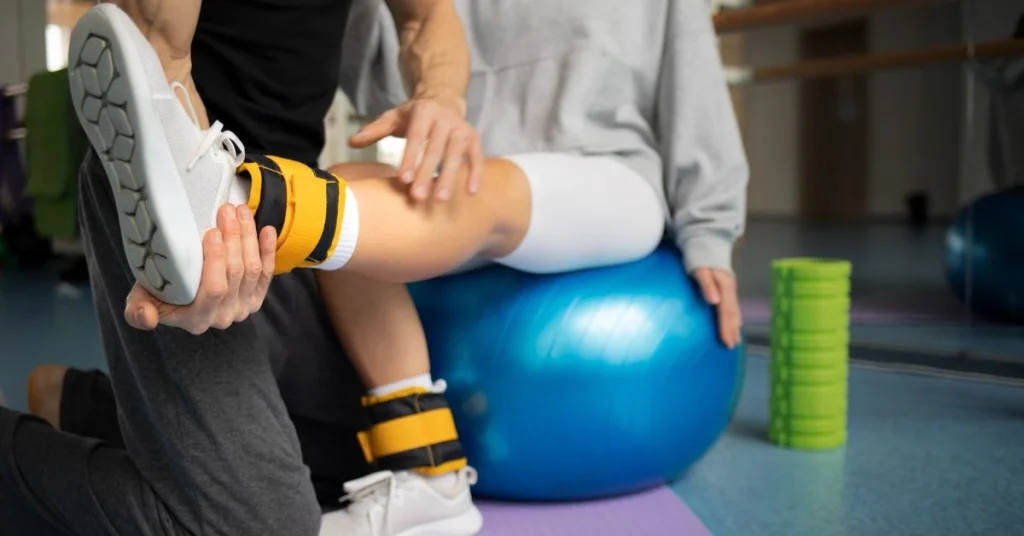
Knee replacement rehab physiotherapy is one of the most important factors influencing recovery after knee replacement surgery. While the surgical procedure addresses damaged joint surfaces, rehabilitation helps patients regain strength, mobility, balance, and confidence. Recovery does not occur overnight and typically progresses through several stages, each with specific goals and challenges. Understanding these stages can help patients set realistic expectations and actively participate in their recovery journey.
Why Rehabilitation Matters After Knee Replacement
A successful knee replacement depends on more than surgical outcomes alone. Without structured rehabilitation, patients may experience stiffness, weakness, reduced mobility, and difficulty performing everyday activities. Physiotherapy supports healing while helping individuals return to walking, climbing stairs, and participating in daily routines. This gradual progression forms the foundation of long-term recovery.
Stage 1: Immediate Post-Surgical Recovery
The first stage begins shortly after surgery. The primary goals are pain management, swelling reduction, and safe movement. Patients are encouraged to begin gentle movements and basic exercises under professional guidance.
Stage 2: Early Mobility Training
Regaining movement becomes a priority during the early days of recovery. Physiotherapists focus on improving knee range of motion and helping patients safely transition between sitting, standing, and walking.
Stage 3: Walking and Weight-Bearing Progression
As healing progresses, patients gradually increase weight-bearing activities. Walking aids may still be necessary, but mobility training helps improve confidence and independence.
Stage 4: Restoring Joint Flexibility
Knee stiffness is common following surgery. Targeted stretching and mobility exercises help restore flexibility and support smoother movement patterns.
Stage 5: Muscle Activation and Strength Building
Periods of reduced activity often lead to muscle weakness. Exercise therapy focuses on activating and strengthening the quadriceps, hamstrings, and surrounding muscles that support the knee joint.
Stage 6: Improving Balance and Stability
Balance training becomes increasingly important as mobility improves. Physiotherapists introduce exercises designed to enhance coordination and reduce fall risk.
Stage 7: Functional Movement Training
Recovery progresses beyond isolated exercises toward everyday activities. Patients practice movements such as stair climbing, standing from chairs, and walking longer distances.
Stage 8: Endurance Development
As strength and mobility improve, rehabilitation focuses on building physical endurance. This stage helps patients tolerate longer periods of activity without excessive fatigue.
Stage 9: Return to Recreational Activities
Many individuals aim to return to hobbies, fitness routines, and recreational activities. Physiotherapists guide patients through safe progression while considering individual recovery goals.
Stage 10: Long-Term Maintenance and Injury Prevention
The final stage focuses on preserving gains achieved during rehabilitation. Continued exercise, movement awareness, and healthy lifestyle habits help support long-term joint function and overall well-being.
Key Goals Throughout Recovery
- Reduce pain and swelling
- Restore knee mobility
- Improve muscle strength
- Enhance balance and stability
- Increase walking ability
- Support functional independence
- Promote long-term joint health
The Evolution of Modern Rehabilitation
Modern knee replacement rehab physiotherapy emphasizes active recovery rather than prolonged rest. Evidence-based rehabilitation programs encourage movement, strength development, and functional training from the early stages of recovery. This approach has contributed to improved patient outcomes and faster return to daily activities. Personalized treatment plans ensure rehabilitation aligns with individual needs and recovery timelines.
Benefits Beyond Physical Recovery
Successful rehabilitation can improve more than joint function. Greater mobility often supports independence, confidence, social participation, and overall quality of life. Patients who fully engage in rehabilitation are generally better equipped to maintain active lifestyles and reduce future mobility limitations. These broader benefits highlight the importance of structured physiotherapy following knee replacement surgery.
Conclusion
Recovery after knee replacement is a gradual process that involves multiple stages, each contributing to improved mobility and function. From early movement and strength development to long-term maintenance and injury prevention, knee replacement rehab physiotherapy provides the framework for successful recovery. Understanding these ten stages helps patients appreciate the importance of rehabilitation and supports a safer return to independent living and daily activities.Contact Divine Care Physio today to learn more about our physiotherapy services.