Physiotherapy in Langley: What to Actually Look For Before You Book
Persistent jaw pain could be TMJ Dysfunction. Discover effective physiotherapy treatments available in Langley.


Persistent jaw pain could be TMJ Dysfunction. Discover effective physiotherapy treatments available in Langley.
Persistent jaw pain could be TMJ Dysfunction. Discover effective physiotherapy treatments available in Langley.
If you have never tried acupuncture before, the idea of a treatment involving fine needles can naturally raise questions. What actually happens during a consultation? Does it hurt? What should you tell the practitioner? And what happens after the consultation? At Divine Care Physiotherapy in Langley, acupuncture is available as part of the clinic’s broader range of rehabilitation and wellness services. The clinic’s current service information includes physiotherapy, sports physiotherapy, manual therapy, vestibular rehabilitation, IMS, shockwave therapy, concussion management, neurological rehabilitation, kinesiology/active rehabilitation and other rehabilitation services. If you’re considering acupuncture for the first time, understanding what to expect can make the experience much more comfortable. Divine Care Physio is dedicated to preventive care. We offer ergonomic assessments, workplace injury prevention programs, and educational workshops to help individuals and organizations minimize the risk of injury and promote a healthier lifestyle. Our commitment to excellence extends beyond treatment, as we strive to empower our patients with the knowledge and tools needed to maintain their health and well-being. What Is Traditional Chinese Acupuncture? Traditional Chinese acupuncture involves the use of very fine needles placed at specific points on the body. Acupuncture has a long history within Traditional Chinese Medicine. Modern acupuncture is also used in healthcare settings for a variety of pain-related conditions and other concerns. However, the evidence for acupuncture varies depending on the condition being treated, so it is important to avoid thinking of it as a universal treatment or guaranteed solution. The poster for Divine Care specifically presents the service as a Traditional Chinese Acupuncture Consultation, with the consultation positioned as an opportunity to discuss health concerns, ask questions and understand whether acupuncture may be appropriate. Rather than assuming that the same treatment is suitable for everyone, a practitioner needs to understand the individual’s concerns and relevant health information before determining what may be appropriate. What Happens During Your First Acupuncture Consultation? Your first visit should be more than simply arriving and immediately receiving acupuncture. A consultation gives you an opportunity to explain what you are experiencing and discuss your concerns with the practitioner. Depending on your situation, this conversation may include information such as: Your main health concern Your current symptoms How long the problem has been present Previous injuries or health conditions Relevant medical history Current medications or treatments Questions or concerns you have about acupuncture Being open and accurate about your health history is important because it gives the practitioner better information to consider when deciding whether acupuncture is appropriate for you. The exact assessment and treatment process can vary between practitioners and according to the individual’s needs. Do You Need to Know Anything About Acupuncture Before Your Appointment? No special knowledge is required. If you have never experienced acupuncture before, simply tell your practitioner. You can ask questions about the procedure, where needles may be placed and what sensations you might experience. You should also tell the practitioner about any relevant health conditions, medications, previous procedures or concerns that could affect your treatment. One of the most useful things you can do is ask questions rather than making assumptions. For example: “What is the goal of acupuncture for my particular concern?” “What should I expect during the treatment?” “Are there any reasons acupuncture may not be appropriate for me?” A consultation is the right time to have those conversations. Does Acupuncture Hurt? This is probably one of the most common questions people have before their first session. Acupuncture uses very fine needles, and the experience can vary from person to person. Some people may experience sensations such as mild discomfort, tingling, warmth or a feeling of pressure. It is important not to promise that acupuncture will be completely painless for everyone. Your comfort should be communicated to the practitioner throughout the appointment. If something feels uncomfortable or concerning, let them know. This is also consistent with the broader approach described by Divine Care for its needling-based physiotherapy services: individual responses can vary, and treatment is adjusted according to tolerance. However, IMS/dry needling is not the same treatment as Traditional Chinese Acupuncture, so the two should not be presented as interchangeable. Divine Care itself explains that dry needling evolved from traditional Chinese acupuncture but differs in technique and purpose. What Should You Tell Your Acupuncture Practitioner? A good consultation depends on communication. Before treatment, tell the practitioner about relevant aspects of your health. This can include: Your current symptoms Explain what you’re experiencing, where it occurs and how it affects your normal activities. Your medical history Previous injuries, surgeries, diagnoses or other relevant health information may be important. Your medications Tell your practitioner about medications and other treatments you are currently receiving. Your concerns about needles If you are nervous about acupuncture, say so. You don’t need to hide your concerns. Your expectations If you’re hoping acupuncture will help with a particular problem, explain what you’re hoping to achieve. This allows the practitioner to have a clearer understanding of your goals. What Can Acupuncture Be Used For? Acupuncture is used for a range of health concerns, particularly pain-related conditions. Evidence does not support making the same claim for every condition, however, and acupuncture should not be presented as a guaranteed cure. For example, Harvard Health notes that acupuncture has been used for conditions including low back pain, hand and knee pain, headaches, fibromyalgia and some types of nerve pain, while also discussing the limitations and uncertainties surrounding how acupuncture works. Instead of assuming that acupuncture is automatically appropriate, your practitioner can discuss your individual situation and whether the treatment makes sense as part of your care. Acupuncture vs. IMS and Dry Needling: Are They the Same? This distinction is particularly important when considering acupuncture at a physiotherapy clinic. Traditional Chinese Acupuncture and physiotherapy dry needling/IMS are not the same treatment. Divine Care explains that dry needling uses acupuncture needles but differs from traditional Chinese acupuncture in both technique and purpose. Its IMS/dry needling service is directed toward specific muscles, trigger points and tight structures within
Experience exceptional care and personalized treatment at Divine Care Physio. Discover how our expertise can help you achieve optimal health today! Overview of Physiotherapy Services Offered At Divine Care Physio, we pride ourselves on offering a comprehensive array of services tailored to meet the diverse needs of our patients. Our clinic provides therapeutic interventions for a range of conditions including musculoskeletal injuries, sports-related injuries, post-surgical rehabilitation, and chronic pain management. Whether you are recovering from a recent surgery or dealing with a long-term ailment, our skilled physiotherapists are here to assist you every step of the way. Our specialized services include Sports Physiotherapy, Youth Sports Physiotherapy, Intramuscular Stimulation (IMS), Dry Needling, Kinesiology & Active Rehabilitation, Musculoskeletal Physiotherapy, Neurological Physiotherapy, Shockwave Therapy, Vestibular Rehabilitation, Concussion Management, TMJ Dysfunction Management, Post-Surgical Physiotherapy, Manual Physiotherapy, Acupuncture Treatment, and Fall Prevention Therapy. We also offer Laser Therapy (Class IV), Athletic and Kinesio Taping, and Balance Rehabilitation to address a wide spectrum of health concerns. Divine Care Physio is dedicated to preventive care. We offer ergonomic assessments, workplace injury prevention programs, and educational workshops to help individuals and organizations minimize the risk of injury and promote a healthier lifestyle. Our commitment to excellence extends beyond treatment, as we strive to empower our patients with the knowledge and tools needed to maintain their health and well-being. Benefits of Choosing Divine Care Physio Choosing Divine Care Physio means opting for a level of care that is unparalleled. One of the primary benefits of our clinic is the personalized attention each patient receives. We understand that every individual is unique, and so are their health concerns. Our physiotherapists take the time to thoroughly assess each patient, develop a personalized treatment plan, and adjust it as needed to ensure optimal outcomes. Another significant advantage of our clinic is access to cutting-edge technology and advanced treatment methods. We utilize state-of-the-art equipment and the latest techniques to provide the most effective and efficient care possible. This includes modalities such as ultrasound therapy, electrical stimulation, manual therapy, laser therapy, and specialized exercise programs. Our commitment to staying at the forefront of physiotherapy advancements ensures that our patients receive the best care available. Furthermore, Divine Care Physio fosters a warm and welcoming environment. Our friendly staff and comfortable facilities create a supportive atmosphere where patients feel at ease throughout their treatment journey. We believe that a positive and encouraging environment plays a crucial role in the healing process, and we strive to make every visit to our clinic a pleasant and productive experience. Meet Our Team of Expert Professionals Our team at Divine Care Physio is composed of highly qualified and experienced physiotherapists and healthcare professionals who are passionate about helping patients achieve their health goals. Each member of our team brings a unique set of skills and expertise, allowing us to provide comprehensive care for a wide range of conditions. Our professionals are dedicated to continuous learning and professional development, ensuring that they remain knowledgeable about the latest advancements in the field. Rama N A Raja Registered Physiotherapist (BPT, MPT) & Registered Massage Therapist Our Physiotherapist is a Triathlete. Rama N A Raja brings extensive experience in comprehensive patient care, combining clinical expertise with a deep understanding of movement, endurance, and physical performance. His expertise spans multiple physiotherapy disciplines, allowing him to provide individualized care tailored to each patient’s unique needs. Rama works closely with patients to develop personalized treatment plans that promote optimal recovery, improve mobility, prevent future injuries, and support long-term health and wellness. Ronak Kapadia Registered Physiotherapist (BPT, MAPAH), Ronak specializes in advanced physiotherapy techniques and provides compassionate care to patients of all ages. His patient-centered approach and commitment to excellence have made him a valued member of our team. Ronak is particularly skilled in working with complex musculoskeletal and sports-related conditions. Damanpreet Kaur Registered Clinical Counsellor, Damanpreet provides holistic support to our patients, addressing the psychological and emotional aspects of recovery. Her expertise in counselling complements our physiotherapy services, ensuring that patients receive comprehensive care for their overall well-being. Yoon Bae Bang Registered Acupuncturist, Yoon brings traditional healing expertise to our clinic. His acupuncture services complement our physiotherapy offerings, providing patients with alternative and integrated treatment options for pain management and rehabilitation. Patient-Centered Approach to Treatment At Divine Care Physio, we believe that the key to successful treatment lies in a patient-centered approach. This philosophy is at the core of everything we do, ensuring that each patient receives care that is tailored to their individual needs and preferences. Our physiotherapists take the time to listen to each patient’s concerns, understand their goals, and involve them in the decision-making process. We begin with a thorough initial assessment, which includes a detailed medical history, physical examination, and any necessary diagnostic tests. This comprehensive evaluation allows us to identify the root cause of the patient’s condition and develop a targeted treatment plan. Throughout the treatment process, we maintain open communication with our patients, providing regular updates on their progress and making adjustments to the plan as needed. Education is also a crucial component of our patient-centered approach. We believe that informed patients are empowered patients, and we take the time to educate our patients about their condition, the rationale behind their treatment plan, and the steps they can take to support their recovery. By fostering a collaborative relationship between the patient and the physiotherapist, we aim to achieve the best possible outcomes and help our patients regain their health and independence. Advanced Techniques and Equipment Used Divine Care Physio is committed to providing the highest standard of care by incorporating advanced techniques and state-of-the-art equipment into our treatment protocols. Our clinic is equipped with the latest technology, allowing us to offer innovative therapies that enhance the effectiveness of our treatments. Our treatment modalities include: Ultrasound Therapy – uses sound waves to promote tissue healing and reduce pain Electrical Stimulation and IMS (Intramuscular Stimulation) – helps strengthen muscles and improve function Class IV Laser Therapy – advanced laser technology for pain
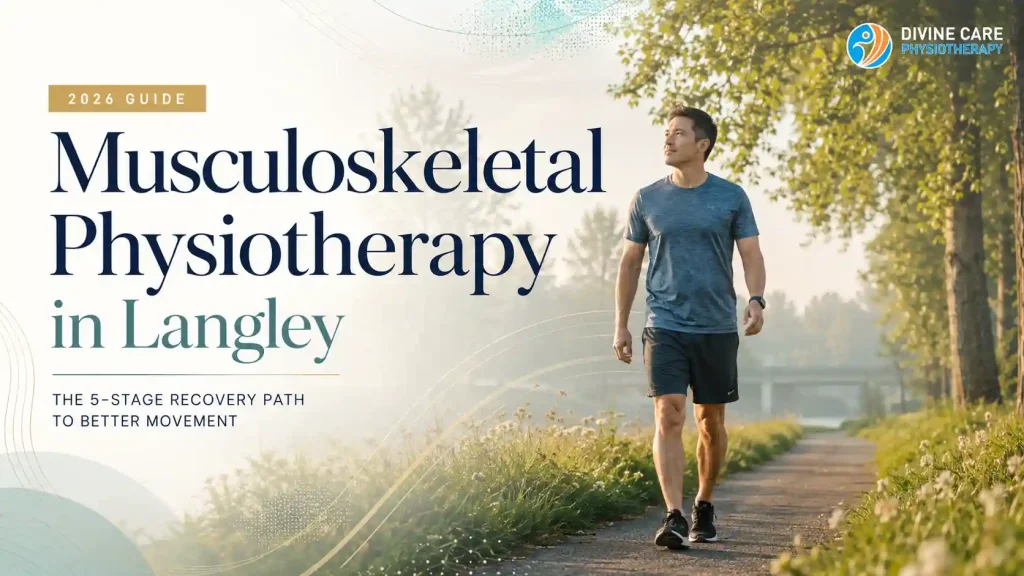
Quick answer : Musculoskeletal physiotherapy in Langley treats pain and dysfunction in your muscles, joints, ligaments, tendons and bones from a sprained ankle to chronic low back pain using hands-on therapy, exercise rehab, and modalities like laser, shockwave, and dry needling. At Divine Care Physio in Langley, no doctor’s referral is needed, and your plan is built around your specific injury rather than a one-size-fits-all protocol. If you’ve searched for physiotherapy in Langley because something in your body isn’t moving or feeling the way it used to a stiff shoulder, a knee that clicks on stairs, a low back that seizes up after a long shift you’re almost certainly dealing with a musculoskeletal issue. It’s the single largest category of physiotherapy, and it’s also the one most people misunderstand: they picture “physio” as just stretching and heat packs, when in reality it’s closer to structural detective work followed by a rebuild plan. This guide walks through musculoskeletal physiotherapy the way it actually happens in the clinic not as a list of dictionary definitions, but as a process: how a physiotherapist figures out what’s actually wrong, what tools they reach for, and what your first few weeks of treatment realistically look like at a physio clinic in Langley. What “Musculoskeletal” Actually Covers Musculoskeletal (MSK) physiotherapy is the branch of physiotherapy focused on the system that lets you move: muscles, bones, joints, ligaments, and tendons. It’s distinct from neurological physiotherapy (brain and nerve-related movement disorders) or vestibular rehab (inner-ear balance issues), though the same clinic and often the same physiotherapist may treat all three. At Divine Care Physiotherapy in Langley, the conditions treated under musculoskeletal physiotherapy include: Category Conditions Ligament & joint injuries Ligament sprains and tears, ankle sprains, AC joint strain, post-dislocation rehab Knee-specific ACL, MCL, and meniscus injuries; Osgood-Schlatter disease; patellofemoral pain syndrome Tendon conditions Tennis elbow, golfer’s elbow, Achilles tendon injuries, tendinitis, tendinopathy, tendinosis Spine & nerve-related Neck and back pain, low back pain, sciatica, shin splints Post-injury / post-op Post-operative rehab, rotator cuff injuries, concussion-related MSK symptoms Chronic & degenerative Osteoarthritis of the hip and knee, fibromyalgia, muscle tightness and tension If your pain fits anywhere in that table, it falls under musculoskeletal physiotherapy in Langley even if you’d describe it in plain language as “my shoulder’s been off since I moved that couch” or “my knee hurts going down stairs.” The 5-Stage Recovery Path Most clinics describe treatment as a vague blend of “manual therapy and exercises.” What actually happens, stage by stage, looks more like this: Stage 1 — Assess The physiotherapist takes a detailed history (how the injury happened, what makes it better or worse, what your goals are return to sport, return to work, or just pain-free daily life) and does a hands-on physical assessment: range of motion, strength testing, joint mobility, and movement patterns. No doctor’s referral is required to start this process. Stage 2 — Diagnose Rather than treating a symptom in isolation, the goal is to identify the actual structure involved is knee pain coming from the joint itself, from the tendon, from weakness above or below the knee, or from a movement compensation elsewhere in the chain? This is the step most home-remedy approaches skip entirely, which is why stretching or rest alone often doesn’t resolve stubborn pain. Stage 3 — Treat (Hands-On + Modalities) This is where technique selection matters. Divine Care Physio draws from a toolkit that includes: Manual/hands-on therapy — joint mobilization and soft tissue work to restore movement and reduce stiffness Dry needling / IMS (Intramuscular Stimulation) — targets tight or dysfunctional muscle bands Laser Therapy (Class IV) — used for inflammation and tissue healing Shockwave therapy — commonly used for chronic tendon injuries like tennis elbow, plantar fasciitis, and shoulder tendinopathy Electrotherapy and spinal decompression — used selectively depending on the condition Exercise therapy — the active component that retrains strength, control, and movement patterns The combination isn’t random it’s chosen based on what Stage 2 identified. Stage 4 — Rebuild Passive treatment alone rarely produces lasting results. This stage progressively loads the injured area through targeted exercise so the tissue actually gets stronger, not just less painful in the short term. Stage 5 — Prevent The final stage looks at why the injury happened in the first place posture, movement habits, training load, or muscle imbalances so the same problem doesn’t resurface in six months. Who You’ll Actually Be Treated By At Divine Care Physio, musculoskeletal cases are handled by clinicians with specific MSK backgrounds: Rama N A Raja is a clinical physiotherapist with over 20 years of experience across sports injuries, neurological conditions, and musculoskeletal injuries, including both hospital and private-practice experience gained in India, where he also taught graduate and postgraduate physiotherapy students for eight years. Ronak Kapadia has extensive hands-on experience in musculoskeletal, neurological, sports, vestibular, and concussion-related care, with his physiotherapy training completed at a large teaching hospital in India. This matters because musculoskeletal physiotherapy isn’t a single skill a clinician who also understands neurological and sports-specific rehab is better positioned to catch when a “simple” knee or back issue actually has a more complex root cause. Back Pain, Neck Pain, Sciatica & Knee Pain: The Four Most Common Walk-Ins These four account for the majority of musculoskeletal visits at physiotherapy clinics across Langley, so they’re worth addressing individually. Back pain physiotherapy in Langley typically starts by identifying whether the pain is muscular, disc-related, or joint-related, since each responds to a different combination of manual therapy and exercise progression. Neck pain treatment in Langley is frequently linked to posture and repetitive strain , desk work, phone use, driving and responds well to a combination of manual therapy, targeted strengthening, and ergonomic correction. Sciatica treatment in Langley addresses nerve-related leg pain that originates in the lower back. Because sciatica can mimic other conditions, accurate assessment (Stage 2 above) is especially important before starting treatment. Knee pain physio in Langley covers everything from ligament and meniscus injuries to patellofemoral pain and

Explore seven signs that indicate it’s time to visit a Physiotherapist in Langley for expert care and lasting relief.
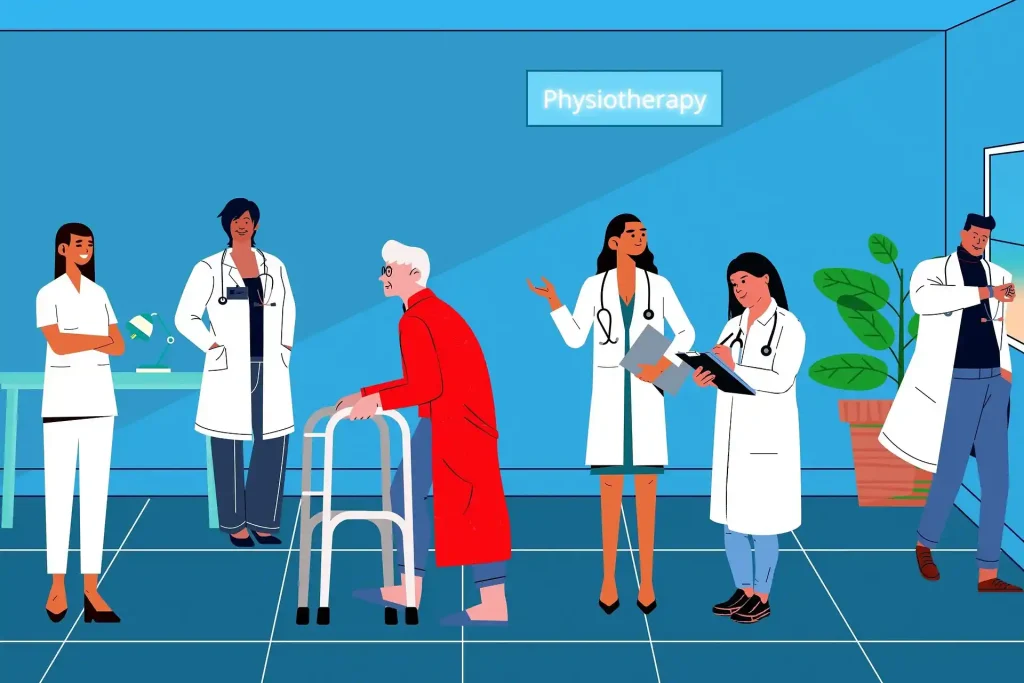
Post-surgical rehab is a critical stage of recovery that begins after a surgical procedure and continues until patients regain optimal function and independence. While surgery may correct a medical problem, rehabilitation helps restore strength, mobility, flexibility, and confidence. Without structured recovery, patients may experience stiffness, weakness, delayed healing, or reduced physical function. Understanding the rehabilitation process can help individuals prepare for a smoother and more successful recovery journey. Why Post-Surgical Rehab Matters Surgery places significant stress on the body, often resulting in temporary movement restrictions and muscle weakness. Effective rehabilitation supports healing while helping patients safely return to daily activities. Through guided exercises, movement training, and education, physiotherapy reduces complications and promotes long-term recovery. A structured approach allows patients to progress safely through each stage of healing. Step 1: Immediate Post-Operative Care The first stage focuses on protecting the surgical site and managing early symptoms. Healthcare providers monitor pain, swelling, and overall recovery while encouraging safe movement when appropriate. Early mobility can help improve circulation and reduce the risk of post-operative complications. Step 2: Pain and Swelling Management Managing discomfort is essential during the early recovery period. Techniques such as gentle movement, positioning strategies, and therapist-guided interventions help reduce swelling and support healing. Effective symptom management allows patients to participate more comfortably in rehabilitation activities. Step 3: Restoring Range of Motion Limited joint mobility is common following surgery. Physiotherapists introduce controlled stretching and mobility exercises to gradually improve movement while protecting healing tissues. Restoring flexibility helps prepare the body for more advanced rehabilitation stages. Step 4: Rebuilding Muscle Strength Periods of reduced activity often lead to muscle weakness. Targeted exercise therapy helps strengthen muscles surrounding the affected area and improve overall stability. Progressive strengthening is a key component of functional recovery. Step 5: Improving Balance and Coordination Following surgery, balance and coordination may be affected by pain, weakness, or altered movement patterns. Rehabilitation exercises focus on restoring stability and helping patients move more confidently and safely. Step 6: Functional Movement Training As recovery progresses, physiotherapy shifts toward practical movements used in daily life. Activities such as walking, standing, stair climbing, reaching, and lifting are gradually reintroduced. Functional training helps bridge the gap between rehabilitation exercises and real-world activities. Step 7: Increasing Endurance and Activity Levels Patients gradually build physical endurance as strength and mobility improve. Controlled increases in activity help prepare individuals for work, recreation, and routine daily responsibilities without excessive fatigue. Step 8: Injury Prevention and Long-Term Maintenance The final stage focuses on sustaining recovery and reducing the risk of future problems. Patients learn strategies for maintaining strength, improving movement habits, and protecting surgical outcomes. Ongoing exercise and healthy lifestyle practices play important roles in long-term success. Key Goals of Post-Surgical Rehab Reduce pain and swelling Restore mobility and flexibility Rebuild muscle strength Improve balance and coordination Support safe return to daily activities Enhance physical independence Prevent future injuries and complications Contact Divine Care Physio today to learn more about our physiotherapy services. Book Now
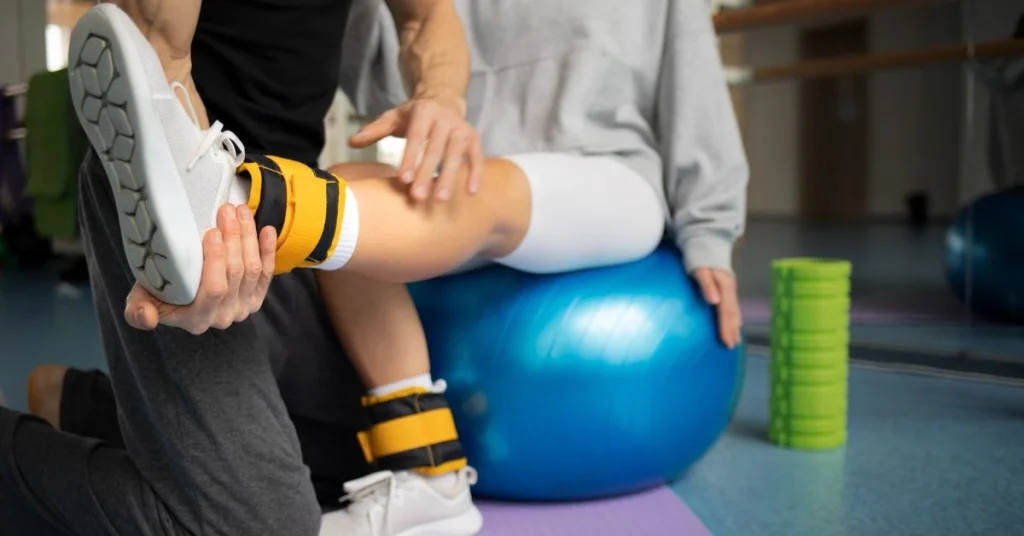
Knee replacement rehab physiotherapy is one of the most important factors influencing recovery after knee replacement surgery. While the surgical procedure addresses damaged joint surfaces, rehabilitation helps patients regain strength, mobility, balance, and confidence. Recovery does not occur overnight and typically progresses through several stages, each with specific goals and challenges. Understanding these stages can help patients set realistic expectations and actively participate in their recovery journey. Why Rehabilitation Matters After Knee Replacement A successful knee replacement depends on more than surgical outcomes alone. Without structured rehabilitation, patients may experience stiffness, weakness, reduced mobility, and difficulty performing everyday activities. Physiotherapy supports healing while helping individuals return to walking, climbing stairs, and participating in daily routines. This gradual progression forms the foundation of long-term recovery. Stage 1: Immediate Post-Surgical Recovery The first stage begins shortly after surgery. The primary goals are pain management, swelling reduction, and safe movement. Patients are encouraged to begin gentle movements and basic exercises under professional guidance. Stage 2: Early Mobility Training Regaining movement becomes a priority during the early days of recovery. Physiotherapists focus on improving knee range of motion and helping patients safely transition between sitting, standing, and walking. Stage 3: Walking and Weight-Bearing Progression As healing progresses, patients gradually increase weight-bearing activities. Walking aids may still be necessary, but mobility training helps improve confidence and independence. Stage 4: Restoring Joint Flexibility Knee stiffness is common following surgery. Targeted stretching and mobility exercises help restore flexibility and support smoother movement patterns. Stage 5: Muscle Activation and Strength Building Periods of reduced activity often lead to muscle weakness. Exercise therapy focuses on activating and strengthening the quadriceps, hamstrings, and surrounding muscles that support the knee joint. Stage 6: Improving Balance and Stability Balance training becomes increasingly important as mobility improves. Physiotherapists introduce exercises designed to enhance coordination and reduce fall risk. Stage 7: Functional Movement Training Recovery progresses beyond isolated exercises toward everyday activities. Patients practice movements such as stair climbing, standing from chairs, and walking longer distances. Stage 8: Endurance Development As strength and mobility improve, rehabilitation focuses on building physical endurance. This stage helps patients tolerate longer periods of activity without excessive fatigue. Stage 9: Return to Recreational Activities Many individuals aim to return to hobbies, fitness routines, and recreational activities. Physiotherapists guide patients through safe progression while considering individual recovery goals. Stage 10: Long-Term Maintenance and Injury Prevention The final stage focuses on preserving gains achieved during rehabilitation. Continued exercise, movement awareness, and healthy lifestyle habits help support long-term joint function and overall well-being. Key Goals Throughout Recovery Reduce pain and swelling Restore knee mobility Improve muscle strength Enhance balance and stability Increase walking ability Support functional independence Promote long-term joint health The Evolution of Modern Rehabilitation Modern knee replacement rehab physiotherapy emphasizes active recovery rather than prolonged rest. Evidence-based rehabilitation programs encourage movement, strength development, and functional training from the early stages of recovery. This approach has contributed to improved patient outcomes and faster return to daily activities. Personalized treatment plans ensure rehabilitation aligns with individual needs and recovery timelines. Benefits Beyond Physical Recovery Successful rehabilitation can improve more than joint function. Greater mobility often supports independence, confidence, social participation, and overall quality of life. Patients who fully engage in rehabilitation are generally better equipped to maintain active lifestyles and reduce future mobility limitations. These broader benefits highlight the importance of structured physiotherapy following knee replacement surgery. Conclusion Recovery after knee replacement is a gradual process that involves multiple stages, each contributing to improved mobility and function. From early movement and strength development to long-term maintenance and injury prevention, knee replacement rehab physiotherapy provides the framework for successful recovery. Understanding these ten stages helps patients appreciate the importance of rehabilitation and supports a safer return to independent living and daily activities. Contact Divine Care Physio today to learn more about our physiotherapy services. Book Now

Finding the right physiotherapy provider can have a significant impact on recovery, mobility, and overall well-being. Whether individuals are seeking treatment for pain, injury rehabilitation, workplace injuries, or mobility challenges, quality care requires more than standard treatment protocols. Patients increasingly look for clinics that combine clinical expertise, personalized care, and comprehensive rehabilitation services. This is one reason why Divine Care Physio is recognized among the best physiotherapy clinics in Langley. Comprehensive Care Under One Roof One of the defining characteristics of a leading physiotherapy clinic is the ability to provide a wide range of services that address different patient needs. Divine Care Physio offers an integrated approach to rehabilitation and wellness, helping patients access multiple treatment options in a single location. This coordinated model supports continuity of care and allows treatment plans to be tailored to individual goals. Services commonly available include: Physiotherapy Sports injury rehabilitation Manual therapy Acupuncture Registered massage therapy (RMT) Vestibular rehabilitation Post-surgical rehabilitation Chronic pain management This broad service offering helps patients receive care that aligns with their specific condition and recovery requirements. A Patient-Centered Treatment Philosophy Effective rehabilitation begins with understanding the individual rather than simply treating symptoms. Divine Care Physio emphasizes comprehensive assessments and personalized treatment plans designed around each patient’s needs, lifestyle, and recovery objectives. This patient-focused approach allows physiotherapists to address the underlying causes of pain and movement limitations while supporting long-term results. Experienced Multidisciplinary Team Quality outcomes often depend on collaboration among healthcare professionals. Divine Care Physio brings together experienced practitioners from multiple rehabilitation disciplines, allowing patients to benefit from a coordinated treatment approach. This multidisciplinary environment can be particularly valuable for complex injuries, chronic conditions, and post-surgical recovery. Evidence-Based Rehabilitation Approaches Modern physiotherapy relies on clinical research, functional assessment, and measurable treatment outcomes. Divine Care Physio incorporates evidence-based rehabilitation strategies that focus on restoring movement, improving strength, and enhancing physical function. Treatment plans are designed not only to address current symptoms but also to reduce the risk of future injuries. Focus on Recovery and Prevention Successful physiotherapy extends beyond short-term symptom relief. Divine Care Physio places strong emphasis on injury prevention, movement education, and self-management strategies. By helping patients understand how their bodies move and function, physiotherapists can support healthier habits that contribute to long-term physical well-being. Key Factors That Help Divine Care Physio Stand Out Personalized treatment plans Comprehensive rehabilitation services Experienced healthcare professionals Evidence-based treatment methods Focus on injury prevention Patient education and self-management support Multidisciplinary approach to care Commitment to long-term recovery outcomes Supporting the Langley Community Physiotherapy clinics play an important role in community health by helping individuals remain active, independent, and engaged in daily life. Through rehabilitation, pain management, and preventive care, Divine Care Physio contributes to healthier lifestyles and improved quality of life for many residents in Langley. This community-focused role highlights the broader value of accessible rehabilitation services. Conclusion The qualities that define the best physiotherapy clinics include clinical expertise, personalized care, comprehensive treatment options, and a commitment to evidence-based rehabilitation. Divine Care Physio demonstrates these characteristics through its multidisciplinary team, patient-centered approach, and focus on long-term recovery and prevention. For individuals seeking professional rehabilitation support, these factors help explain why Divine Care Physio is widely regarded as one of the best physiotherapy clinics in Langley. Contact Divine Care Physio today to learn more about our physiotherapy services. Book Now
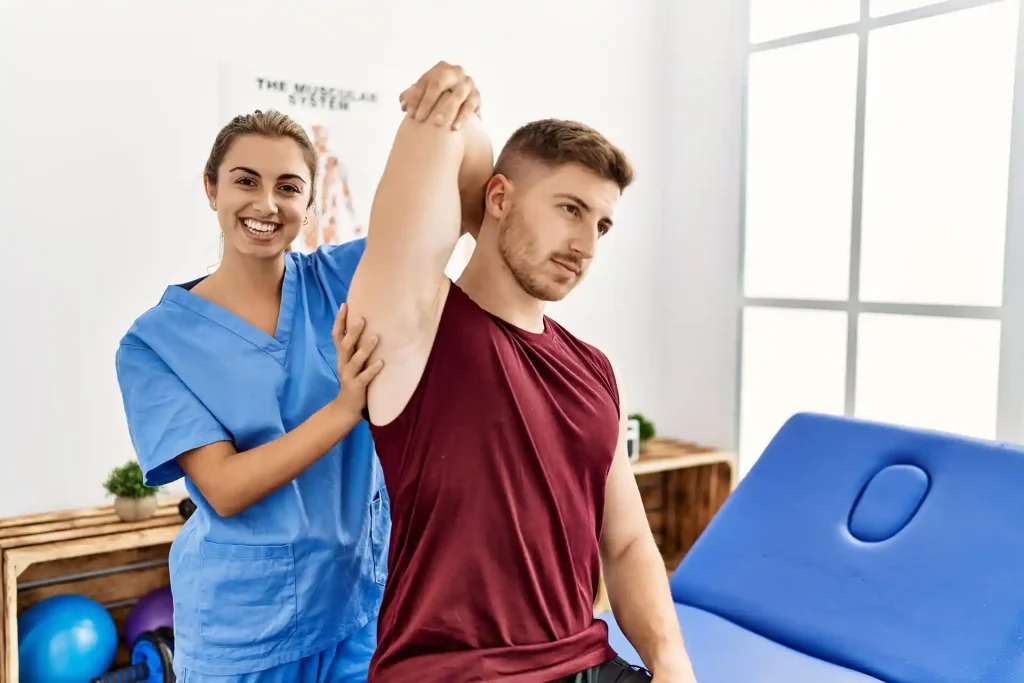
Manual physiotherapy remains one of the most widely used approaches in musculoskeletal rehabilitation, helping patients recover from pain, injury, and movement limitations through hands-on treatment techniques. As demand for personalized healthcare continues to grow, many individuals seek the Best Manual Physiotherapy Clinic in Langley to access specialized care that goes beyond symptom management. While many clinics offer physiotherapy services, certain characteristics distinguish exceptional providers from standard rehabilitation facilities. Understanding these differences can help patients make informed healthcare decisions. The Growing Importance of Manual Physiotherapy Modern lifestyles have contributed to an increase in conditions such as back pain, neck pain, joint stiffness, and repetitive strain injuries. Manual physiotherapy addresses these challenges through targeted hands-on techniques designed to improve mobility, reduce discomfort, and restore normal movement patterns. Unlike treatment approaches that rely heavily on passive modalities, manual physiotherapy emphasizes direct therapist involvement and individualized care. This patient-centered model continues to be supported by evolving rehabilitation research. What Sets the Best Clinics Apart? Several factors separate leading manual physiotherapy clinics from general rehabilitation providers. Specialized Clinical Expertise Experienced physiotherapists possess advanced knowledge of anatomy, biomechanics, and movement dysfunction. Their ability to assess and treat complex musculoskeletal conditions contributes to more effective rehabilitation outcomes. Comprehensive Physical Assessments Quality care begins with a thorough evaluation. Leading clinics assess posture, movement patterns, joint mobility, muscle function, and functional limitations before developing a treatment strategy. Hands-On Treatment Approach A defining feature of manual physiotherapy is the use of techniques such as: Joint mobilization Soft tissue therapy Myofascial release Therapeutic stretching Movement re-education Functional rehabilitation techniques These interventions aim to improve movement quality while addressing the underlying causes of pain and dysfunction. Personalized Rehabilitation Programs No two patients experience pain or injury in the same way. The best clinics develop individualized rehabilitation programs that reflect each patient’s condition, goals, lifestyle, and recovery needs. Evidence-Based Practice Modern physiotherapy increasingly relies on scientific research to guide treatment decisions. Clinics that combine clinical experience with evidence-based techniques are often better equipped to deliver consistent outcomes. Beyond Pain Relief The value of manual physiotherapy extends beyond symptom reduction. Effective treatment can improve mobility, physical function, confidence, and participation in everyday activities. By addressing movement restrictions early, physiotherapists help patients reduce the likelihood of recurring injuries and long-term physical limitations. This broader focus aligns with contemporary healthcare goals that prioritize prevention as well as recovery. The Community Impact of Quality Rehabilitation Access to high-quality physiotherapy benefits not only individual patients but also the wider community. Improved physical function can support workplace productivity, healthy aging, and active lifestyles. As awareness of musculoskeletal health continues to grow, physiotherapy clinics play an increasingly important role in promoting long-term well-being and reducing the burden of chronic pain conditions. Conclusion The Best Manual Physiotherapy Clinic in Langley is distinguished by specialized expertise, comprehensive assessments, hands-on treatment methods, personalized rehabilitation plans, and a commitment to evidence-based care. These qualities contribute to more effective recovery, improved physical function, and enhanced long-term health outcomes. As rehabilitation continues to evolve, manual physiotherapy remains an important component of modern healthcare, helping patients move better, recover safely, and maintain active lives. Contact Divine Care Physio today to learn more about our physiotherapy services. Book Now