
Blog

vertigo-bppv-langley-divine-care-physio
Blog

Understanding BPPV (Benign Paroxysmal Positional Vertigo)

Introduction BPPV, or Benign Paroxysmal Positional Vertigo, is a common vestibular disorder that affects the inner ear, leading to brief episodes of intense dizziness. This condition is characterized by sudden, severe spinning sensations triggered by specific head movements, often during seemingly routine activities. Causes of BPPV BPPV typically arises due to tiny calcium carbonate crystals called canaliths dislodging from their usual location within the inner ear. These displaced crystals can interfere with the normal fluid movement in the ear’s balance canals, causing misleading signals to be sent to the brain. Symptoms of BPPV Individuals with BPPV may experience sudden, intense bouts of vertigo when changing head positions, such as rolling over in bed, tilting their head back, or looking up. This can lead to nausea, vomiting, and a sense of unsteadiness. Diagnosis A healthcare professional can diagnose BPPV through a series of positional tests that provoke dizziness. These tests help determine the specific canal affected and guide appropriate treatment. Treatment of BPPV Fortunately, BPPV is treatable. The most common and effective treatment is canalith repositioning maneuvers, such as the Epley or Semont maneuvers. These maneuvers aim to reposition the displaced crystals within the inner ear, alleviating symptoms. Prognosis With proper treatment, BPPV can be managed successfully in the majority of cases. Many individuals experience significant relief after just a few sessions of canalith repositioning maneuvers. Prevention of BPPV While BPPV cannot always be prevented, individuals can reduce their risk by being cautious during head movements, especially if they have already experienced an episode. Avoiding abrupt head position changes and using proper pillow support can also be helpful. Conclusion BPPV, though unsettling, is a manageable condition that responds well to appropriate treatments. Early diagnosis and intervention are crucial for improving the quality of life for individuals affected by this common vestibular disorder. If you experience recurrent vertigo, consult a healthcare professional for a proper evaluation and guidance on managing BPPV effectively.   Are you suffering from BPPV? Book an appointment now

sports-physio-langley-BC
Blog

Sports Physiotherapy and Youth Sports Physiotherapy

Sports Physiotherapy focuses on athletic and sports-related injuries and prevention. Athletes need peak performance, and disruptions can hinder their participation. At Divine Care Physiotherapy, our highly trained and experienced professionals excel in treating such injuries. Youth Sports Physiotherapy: Focuses on athletic and sports-related injuries and prevention. Athletes need peak performance, and disruptions can hinder their participation. At Divine Care Physiotherapy, our highly trained and experienced professionals excel in treating such injuries. Conditions treated include ligament injuries, groin strains, rotator cuff injuries, ankle sprains, knee injuries, MCL/ACL/meniscus injuries, patellofemoral pain syndrome, Osgood-Schlatter disease, tennis elbow, golfers elbow, AC joint strain, Achilles tendon injuries, post-dislocation rehab, concussion, whiplash injuries, shin splints, and hamstring strains. FAQ Do I need a doctor’s referral? No, a referral isn’t necessary because If your physiotherapist sees something requiring a doctor’s opinion, they’ll refer you. What’s different in sports physiotherapy? It involves specific assessments tailored to your sports activities and customized exercise programs to get you back to your sport quickly. Special skills come from ample experience. How many sessions will I need? Treatment plans vary based on your unique injury and body. Our experienced professionals create an effective plan to help you return to your sports activities promptly.

bells-palsy-treatment-in-langley
Blog

Can we prevent Bell’s Palsy?

Bell’s Palsy is a medical condition that can occur without a specific cause in most cases, and there is no guaranteed way to prevent it. However, you can take general measures to promote overall facial nerve health and reduce the risk of developing Bell’s Palsy or similar conditions: Maintain a Healthy Lifestyle: A balanced diet rich in vitamins and minerals, regular exercise, and adequate sleep can help support your overall health, including the health of your facial nerves. Stress Management: Chronic stress may weaken your immune system and potentially contribute to the development of conditions like Bell’s Palsy. Practicing stress-reduction techniques such as yoga, meditation, or deep breathing exercises can be beneficial. Good Hygiene: Practicing good hygiene, especially during cold and flu seasons, can help reduce the risk of infections that might trigger Bell’s Palsy. Frequent handwashing and avoiding close contact with individuals who are sick can be helpful. Avoiding Cold and Wind Exposure: Some people believe that exposure to cold and wind might trigger Bell’s Palsy, but this has not been scientifically proven. Nevertheless, protecting your face from extreme cold or wind with scarves or hats during harsh weather can be a good practice for overall facial health. It’s important to note that Bell’s Palsy is generally considered idiopathic, meaning its exact cause is often unknown. While these steps may promote general health and reduce some risk factors, there is no guaranteed way to prevent Bell’s Palsy entirely. If you suspect you may have Bell’s Palsy or experience any concerning symptoms, consult a healthcare professional for proper diagnosis and treatment.

Bicipital-Tendinitis-
Blog

BICIPITAL TENDINITIS

Biceps tendinitis is an inflammation or irritation of the upper biceps tendon. Also called the long head of the biceps tendon, this strong, cord-like structure connects the biceps muscle to the bone in the shoulder socket. Pain in the front of the shoulder and weakness are common symptoms of biceps tendinitis. Biceps tendinitis usually occurs along with other shoulder problems. In most cases, there is also damage to the rotator cuff tendons. Other problems that often accompany biceps tendinitis include: Arthritis of the shoulder joint Tears in the glenoid labrum Chronic shoulder instability (dislocation) Shoulder impingement Other diseases that cause inflammation of the shoulder joint lining Causes:   Lifetime of normal activities – degeneration can be worsened by overuse — repeating the same shoulder motions again and again.  Many jobs and routine chores – particularly those that require repetitive overhead motion, such as swimming, tennis, and baseball — can also put people at risk for biceps tendinitis. Repetitive overhead motion may play a part in other shoulder problems that occur with biceps tendinitis. Symptoms: Pain or tenderness in the front of the shoulder Pain or achiness that moves down the upper arm bone An occasional snapping sound or sensation in the shoulder If left untreated could cause Frozen shoulder as not moving the arm due to pain. For more details contact your Physiotherapist to improve your quality of life.

acupuncture-intramuscular-stimulation-langley-BC
Blog

Intramuscular Stimulation (IMS), Dry Needling, Functional Dry Needling (FDN)

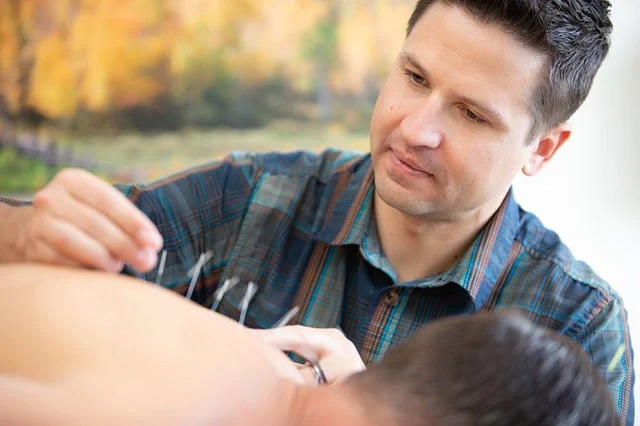
Intramuscular Stimulation (IMS): Unlocking Pain Relief Intramuscular Stimulation (IMS) is a cutting-edge therapy gaining prominence in the realm of pain management. Developed by Dr. Chan Gunn, IMS is a specialized technique employed by trained healthcare professionals to alleviate muscle pain and dysfunction. This method revolves around the insertion of fine, filament needles into tight and painful muscle bands, aiming to release tension and promote healing. How IMS Works IMS works on the principle that chronic muscle pain often originates from hypersensitive, contracted muscle fibers known as trigger points. These trigger points can restrict blood flow and cause pain. IMS needles are strategically inserted into these trigger points, triggering a reflexive response that helps relax the muscle and increase blood flow. As a result, pain is reduced, and mobility is improved. Dry Needling: An Alternative Approach Dry Needling is often used interchangeably with IMS, but it’s essential to distinguish the two. Dry Needling is a broader term that encompasses various needling techniques, including IMS. While IMS targets muscle pain specifically, Dry Needling can address a wide range of musculoskeletal issues by targeting trigger points, muscle knots, or other sources of discomfort. Functional Dry Needling (FDN): Tailoring Pain Relief to Functionality Functional Dry Needling (FDN) takes Dry Needling a step further by focusing on restoring functional movement patterns. FDN practitioners not only identify and treat trigger points but also assess movement impairments contributing to the patient’s pain. By addressing these dysfunctions, FDN aims to enhance overall physical performance and reduce the risk of future injuries. Conclusion Intramuscular Stimulation (IMS), Dry Needling, and Functional Dry Needling (FDN) represent innovative approaches to pain management and rehabilitation. IMS and Dry Needling offer targeted relief for muscle pain, while FDN takes a holistic approach by addressing both trigger points and dysfunctional movement patterns. Whether you seek pain relief or improved functionality, these therapies, offered by qualified healthcare professionals, could be the answer to your musculoskeletal woes. Explore these treatments to unlock a pain-free and more active life.

adult-fall-therapy-langley
Blog

Fall prevention therapy & Balance rehab

Falls are one of biggest reasons elderly loose their independence. Falls also cause significant injuries to elders which can have sever consequences. Falls must be prevented to protect our elderly population and also anyone who is prone to have falls and they are preventable if some of the modifiable risk factors are addressed.  Risk factors for falls: Poor balance (modifiable) Weakness in muscles (modifiable) Painful joints (modifiable) Stiff joints or limited mobility in joints (modifiable) Poor reaction time (modifiable) Poor coordination in walking (modifiable) Gait disorders (modifiable) Use of multiple medications Fear of falling Quiet a few of the risk factors mentioned above are modifiable and that is where your physiotherapist can help you. We help our clients to perform exercises at our clinic and make sure that they are on their right path to recovery.  How your physiotherapist can help you to prevent falls? By performing an in-depth assessments of modifiable risk factors and prepare a treatment plan to improve your function or fitness By treating the impairments that you have By giving you an exercise program to improve your strength, endurance, balance, coordination, reaction time FAQ Do I need my doctor’s referral? No. Doctor’s referral is not necessary. If your physiotherapist encounters something which might need the doctor’s opinion then your physiotherapist will refer you to the doctor. How many sessions I would need? Every person’s body and nature of injury is different and which dictates the treatment plan. Our experienced professionals devise a very effective and efficient treatment plan where the goal is to quickly return to the pre-injury activities.

concussion-physiotherapy-Langley
Blog

CONCUSSION

Did you have a Concussion? A concussion is a form of brain injury that causes a temporary disturbance in your brain functions. Concussions happen because of a hit, bump or blow to the head or elsewhere on the body. This impact causes the brain to move back and forth inside the skull. Common symptoms:   Headache, nausea, dizziness, fogginess, difficulty in concentration, sensitivity to light and noise, anxiety, emotional, sleep disturbances, neck pain If you suspect concussion,  Take rest for 24 to 48 hours Take more nutritious food for quicker brain recovery. Do not drink alcohol which may impair brain repair and increases inflammation Eat more fruits and veggies with full of antioxidants that reduces nerve damage For more details and treatment contact 604-401-2946, visit www.divinecarephysio.com

physiotherapy-langley-post-surgical-rehab
Blog

Post-Surgical Rehab

Post-surgical physiotherapy has a very significant role in the recovery after some surgical procedure where physiotherapy is recommended. After a surgery, the operated area is in the healing process and it affects the overall function of an individual. If proper measures are not taken at the right time, it can lengthen the recovery time and sometimes can cause some post-operative complications which can be avoided. A physiotherapist helps you in the recovery process by, performing an in-depth assessment educating you on the recovery process and care that you need to take during this process performing physiotherapy techniques to improve healing teaching you and exercise program to improve the function and fitness of the affected area in order to return to normal day to day life making sure that an individual is on the right path to recovery advice you on any important steps to be taken for your recovery and also will refer you to other professionals if necessary Conditions treated under Post-surgical physiotherapyShoulder dislocation, Total Knee replacement (TKR), Total Hip replacement (THR), Fractures (post-surgical rehab), Fracture (physiotherapy for non-surgical cases), Colle’s fracture (Fracture around the wrist), Boxer’s fracture (Fracture on the 4th or 5th finger), Carpal tunnel release, Fracture of the Arm, forearm, hand, thigh, leg, foot, Joints, spine. For more information, contact 604-401-2946 or email to info@divinecarephysio.com

langley-plantar-fascitiss-physio-treatment
Blog

Plantar Fascitiis

Do you feel heel pain while stepping down, particularly at early morning first few steps?  Might be PLANTAR FASCIITIS…. Plantar fasciitis is a condition where the plantar fascia which is a muscle under foot gets inflamed and it causes pain and walking difficulties due to pain. Causes are tight plantar fascia, flat foot, improper footwear, injury to plantar fascia due to excessive running or jumping, sudden changes in physical training. Pain on the heel or sole, difficulty in walking, limping. Physiotherapist assesses your condition and decides which physiotherapy techniques to use to ease the pain. Shockwave Therapy is one of the effective treatments for plantar fasciitis depending on the condition. Home Exercise Program is also a very crucial part of the recovery process. In some cases, Orthotics also plays a big role in the management of plantar fasciitis. For more details, contact 604-401-2946 or email to info@divinecarephysio.com  

posture-awareness-divine-care-physiotherapy-langley
Blog

Posture Awareness

Good posture of the body is very important for the efficient functioning of the body as well as to prevent impairments which can be caused due to poor posture. Poor posture in different parts of the body can cause some specific ailments. Poor posture can cause some complications in the later stages of life which can be very disabling. So, it is very important to take care of the posture and ailments that are caused by it at an early stage. Neck pain can be caused by bad posture on the upper body. Poor posture on the upper body can be due to long sitting or desk jobs or just a bad habit of staying in a stooped posture. Low back pain can be caused because of the tightness or weakness in certain structures of the low back and legs. Poor fitness or a sedentary lifestyle has a big role to play as well. It causes pain in the Neck, Low back, hips, Knees, Feet. Reduced function or difficulty doing some activities. Postural syndromes can be treated by using a number of physiotherapy techniques to reduce pain, tightness and improving mobility in joints and strength in the muscles. Physiotherapist educates you on how to prevent bad posture. For more details, contact 604-401-2946 or info@divinecarephysio.com

Scroll to Top