
Author name: admin

Blog

Intramuscular Stimulation (IMS), Dry Needling, Functional Dry Needling (FDN)

Intramuscular Stimulation (IMS): Unlocking Pain Relief Intramuscular Stimulation (IMS) is a cutting-edge therapy gaining prominence in the realm of pain management. Developed by Dr. Chan Gunn, IMS is a specialized technique employed by trained healthcare professionals to alleviate muscle pain and dysfunction. This method revolves around the insertion of fine, filament needles into tight and painful muscle bands, aiming to release tension and promote healing. How IMS Works IMS works on the principle that chronic muscle pain often originates from hypersensitive, contracted muscle fibers known as trigger points. These trigger points can restrict blood flow and cause pain. IMS needles are strategically inserted into these trigger points, triggering a reflexive response that helps relax the muscle and increase blood flow. As a result, pain is reduced, and mobility is improved. Dry Needling: An Alternative Approach Dry Needling is often used interchangeably with IMS, but it’s essential to distinguish the two. Dry Needling is a broader term that encompasses various needling techniques, including IMS. While IMS targets muscle pain specifically, Dry Needling can address a wide range of musculoskeletal issues by targeting trigger points, muscle knots, or other sources of discomfort. Functional Dry Needling (FDN): Tailoring Pain Relief to Functionality Functional Dry Needling (FDN) takes Dry Needling a step further by focusing on restoring functional movement patterns. FDN practitioners not only identify and treat trigger points but also assess movement impairments contributing to the patient’s pain. By addressing these dysfunctions, FDN aims to enhance overall physical performance and reduce the risk of future injuries. Conclusion Intramuscular Stimulation (IMS), Dry Needling, and Functional Dry Needling (FDN) represent innovative approaches to pain management and rehabilitation. IMS and Dry Needling offer targeted relief for muscle pain, while FDN takes a holistic approach by addressing both trigger points and dysfunctional movement patterns. Whether you seek pain relief or improved functionality, these therapies, offered by qualified healthcare professionals, could be the answer to your musculoskeletal woes. Explore these treatments to unlock a pain-free and more active life.

Blog

Fall prevention therapy & Balance rehab

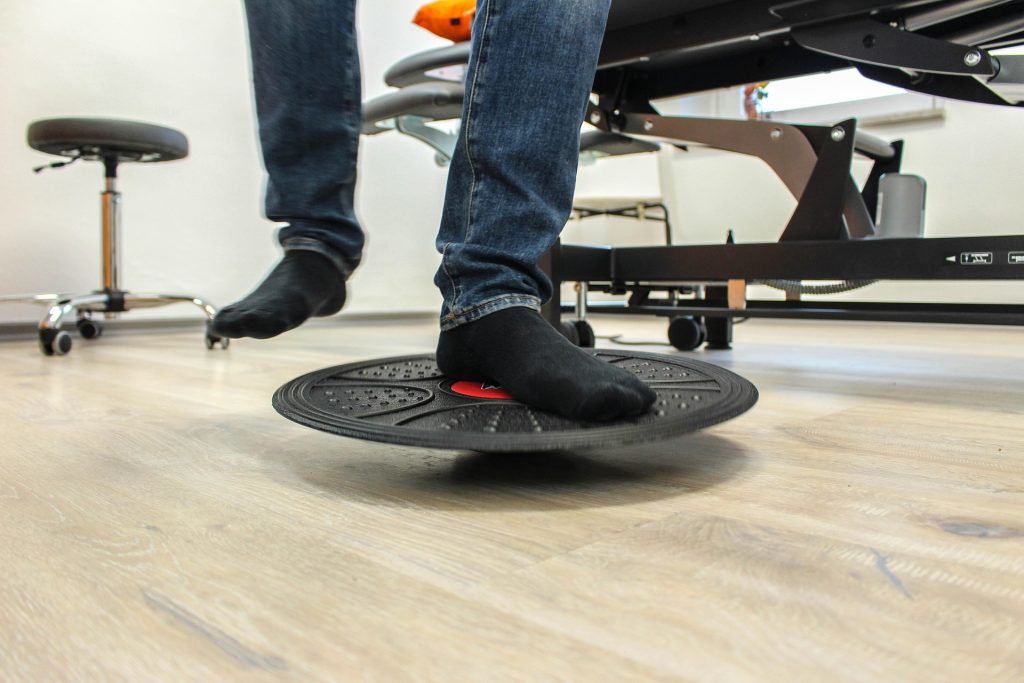
Falls are one of biggest reasons elderly loose their independence. Falls also cause significant injuries to elders which can have sever consequences. Falls must be prevented to protect our elderly population and also anyone who is prone to have falls and they are preventable if some of the modifiable risk factors are addressed.  Risk factors for falls: Poor balance (modifiable) Weakness in muscles (modifiable) Painful joints (modifiable) Stiff joints or limited mobility in joints (modifiable) Poor reaction time (modifiable) Poor coordination in walking (modifiable) Gait disorders (modifiable) Use of multiple medications Fear of falling Quiet a few of the risk factors mentioned above are modifiable and that is where your physiotherapist can help you. We help our clients to perform exercises at our clinic and make sure that they are on their right path to recovery.  How your physiotherapist can help you to prevent falls? By performing an in-depth assessments of modifiable risk factors and prepare a treatment plan to improve your function or fitness By treating the impairments that you have By giving you an exercise program to improve your strength, endurance, balance, coordination, reaction time FAQ Do I need my doctor’s referral? No. Doctor’s referral is not necessary. If your physiotherapist encounters something which might need the doctor’s opinion then your physiotherapist will refer you to the doctor. How many sessions I would need? Every person’s body and nature of injury is different and which dictates the treatment plan. Our experienced professionals devise a very effective and efficient treatment plan where the goal is to quickly return to the pre-injury activities.

Blog

CONCUSSION

Did you have a Concussion? A concussion is a form of brain injury that causes a temporary disturbance in your brain functions. Concussions happen because of a hit, bump or blow to the head or elsewhere on the body. This impact causes the brain to move back and forth inside the skull. Common symptoms:   Headache, nausea, dizziness, fogginess, difficulty in concentration, sensitivity to light and noise, anxiety, emotional, sleep disturbances, neck pain If you suspect concussion,  Take rest for 24 to 48 hours Take more nutritious food for quicker brain recovery. Do not drink alcohol which may impair brain repair and increases inflammation Eat more fruits and veggies with full of antioxidants that reduces nerve damage For more details and treatment contact 604-401-2946, visit www.divinecarephysio.com

Blog

Post-Surgical Rehab

Post-surgical physiotherapy has a very significant role in the recovery after some surgical procedure where physiotherapy is recommended. After a surgery, the operated area is in the healing process and it affects the overall function of an individual. If proper measures are not taken at the right time, it can lengthen the recovery time and sometimes can cause some post-operative complications which can be avoided. A physiotherapist helps you in the recovery process by, performing an in-depth assessment educating you on the recovery process and care that you need to take during this process performing physiotherapy techniques to improve healing teaching you and exercise program to improve the function and fitness of the affected area in order to return to normal day to day life making sure that an individual is on the right path to recovery advice you on any important steps to be taken for your recovery and also will refer you to other professionals if necessary Conditions treated under Post-surgical physiotherapyShoulder dislocation, Total Knee replacement (TKR), Total Hip replacement (THR), Fractures (post-surgical rehab), Fracture (physiotherapy for non-surgical cases), Colle’s fracture (Fracture around the wrist), Boxer’s fracture (Fracture on the 4th or 5th finger), Carpal tunnel release, Fracture of the Arm, forearm, hand, thigh, leg, foot, Joints, spine. For more information, contact 604-401-2946 or email to info@divinecarephysio.com

Blog

Plantar Fascitiis

Do you feel heel pain while stepping down, particularly at early morning first few steps?  Might be PLANTAR FASCIITIS…. Plantar fasciitis is a condition where the plantar fascia which is a muscle under foot gets inflamed and it causes pain and walking difficulties due to pain. Causes are tight plantar fascia, flat foot, improper footwear, injury to plantar fascia due to excessive running or jumping, sudden changes in physical training. Pain on the heel or sole, difficulty in walking, limping. Physiotherapist assesses your condition and decides which physiotherapy techniques to use to ease the pain. Shockwave Therapy is one of the effective treatments for plantar fasciitis depending on the condition. Home Exercise Program is also a very crucial part of the recovery process. In some cases, Orthotics also plays a big role in the management of plantar fasciitis. For more details, contact 604-401-2946 or email to info@divinecarephysio.com  

Blog

Posture Awareness

Good posture of the body is very important for the efficient functioning of the body as well as to prevent impairments which can be caused due to poor posture. Poor posture in different parts of the body can cause some specific ailments. Poor posture can cause some complications in the later stages of life which can be very disabling. So, it is very important to take care of the posture and ailments that are caused by it at an early stage. Neck pain can be caused by bad posture on the upper body. Poor posture on the upper body can be due to long sitting or desk jobs or just a bad habit of staying in a stooped posture. Low back pain can be caused because of the tightness or weakness in certain structures of the low back and legs. Poor fitness or a sedentary lifestyle has a big role to play as well. It causes pain in the Neck, Low back, hips, Knees, Feet. Reduced function or difficulty doing some activities. Postural syndromes can be treated by using a number of physiotherapy techniques to reduce pain, tightness and improving mobility in joints and strength in the muscles. Physiotherapist educates you on how to prevent bad posture. For more details, contact 604-401-2946 or info@divinecarephysio.com

Blog

Back Pain Relief Exercises from Physiotherapy in Langley

Back pain is a common ailment that can be caused by a variety of factors, from poor posture to muscle strain. Physiotherapy offers effective techniques to alleviate discomfort and promote a healthy spine. Here are some back pain relief exercises recommended by physiotherapists in Langley: Cat-Cow Stretch This yoga-inspired stretch targets the flexibility of your spine. Begin on your hands and knees. Inhale and arch your back, lifting your head and tailbone towards the ceiling (Cow Pose). Exhale and round your back, tucking your chin to your chest (Cat Pose). Repeat this gentle motion for a few minutes. Pelvic Tilt Lie on your back with knees bent and feet flat on the floor. Engage your abdominal muscles and gently press your lower back into the floor, tilting your pelvis upward. Hold for a few seconds and release. This exercise helps to stabilize the lower back and improve posture.   Bird Dog Start on your hands and knees in a tabletop position. Simultaneously extend your right arm forward and left leg backward. Keep your back straight and engage your core. Hold for a few seconds and return to the starting position. Repeat on the opposite side. This exercise strengthens the core and lower back muscles. Child’s Pose Begin on your hands and knees, then slowly sit back onto your heels while reaching your arms forward on the floor. Relax your forehead on the ground and extend your spine. This restorative stretch releases tension in the back and shoulders. Seated Spinal Twist Sit with your legs extended. Bend your right knee and place your right foot on the outside of your left thigh. Twist your torso to the right, placing your left elbow on the outside of your right knee. Gently twist your upper body while keeping your spine long. Switch sides. This exercise promotes spinal mobility and releases tension in the lower back. Remember, it’s crucial to consult a physiotherapist or healthcare professional before starting any new exercise routine, especially if you’re experiencing severe or chronic back pain. These exercises, when done correctly and consistently, can contribute to back pain relief and improved overall spinal health.

Blog

5 Key Muscular Imbalances Responsible for Back Pain

Unraveling the Culprits: Top 5 Muscular Imbalances Behind Back Pain Muscular imbalances play a pivotal role in the onset of back pain, and understanding these key factors is crucial for effective management. Dive into the details of the top five imbalances contributing to back discomfort: Weak Core Muscles: Inadequate core strength can lead to poor posture and spinal misalignment. Weak core muscles place additional stress on the lower back, triggering pain. Overactive Hip Flexors: Prolonged sitting or sedentary lifestyles often result in tight hip flexors. Overactive hip flexors tilt the pelvis forward, straining the lower back muscles. Tight Hamstrings: Tight hamstrings limit the pelvis’s range of motion, impacting the lumbar spine. This imbalance can contribute to increased stress on the lower back during movement. Imbalanced Quadratus Lumborum: Asymmetry in the quadratus lumborum, located on either side of the spine, can cause back pain. This muscle imbalance often results from unilateral activities, such as carrying heavy loads on one side. Weak Gluteal Muscles: The glutes play a vital role in stabilizing the pelvis and supporting the spine. Weakness in the gluteal muscles can disrupt this stability, leading to back pain. Understanding these imbalances is the first step towards a targeted and effective approach to managing back pain. Divine Care Physio specializes in identifying and addressing these issues, tailoring treatments to restore balance and alleviate discomfort. By addressing the root causes of muscular imbalances, we empower individuals to reclaim a pain-free and healthy back.     How to get relief from the back pain? Physical Therapy: Tailored exercises and stretches to improve flexibility and strengthen core muscles. Hands-on techniques to alleviate muscle tension and promote proper alignment. Pain Management Strategies: Medications for pain relief, including anti-inflammatories or muscle relaxants. Injections, such as epidural steroid injections, to target specific areas of discomfort. Heat and Cold Therapy: Application of heat pads to relax muscles and enhance blood flow. Cold packs to reduce inflammation and numb the affected area, providing temporary relief. Posture Correction: Ergonomic assessments to identify and address poor posture contributing to back pain. Guidance on maintaining a proper posture during daily activities to prevent strain. Lifestyle Modifications: Weight management strategies to reduce stress on the spine. Incorporation of regular physical activity to improve overall fitness and support a healthy back. These treatments, often used in combination, aim to alleviate back pain and promote long-term well-being. It’s essential to consult with healthcare professionals for personalized advice based on the specific causes and nature of the back pain. Frequently Asked Questions about Back Pain What are common causes of back pain? Strained muscles, poor posture, herniated discs, and injuries are common culprits. How can I prevent back pain? Maintain good posture, exercise regularly, lift objects properly, and avoid prolonged sitting. When should I seek medical attention for back pain? If pain persists or is accompanied by numbness, tingling, or weakness, consult a healthcare professional. What are effective home remedies for back pain relief? Applying ice or heat, practicing gentle stretches, and over-the-counter pain relievers can provide relief. Can stress contribute to back pain? Yes, stress can manifest physically and contribute to muscle tension, exacerbating back pain. How is back pain diagnosed? Diagnosis involves a physical examination, medical history review, and, if necessary, imaging studies. What role does posture play in back pain? Poor posture strains the back muscles and spine, contributing to the development of back pain. Is exercise helpful for managing back pain? Yes, targeted exercises can strengthen core muscles, improve flexibility, and alleviate back pain. Are there lifestyle changes to prevent recurrent back pain? Maintaining a healthy weight, staying active, and incorporating ergonomic practices can help prevent recurring back pain. Can a physiotherapist help with back pain? Absolutely. Physiotherapy offers tailored exercises, manual therapy, and lifestyle guidance to address and prevent back pain.

Blog

Posture correction: How Physiotherapy Can Improve Your Alignment

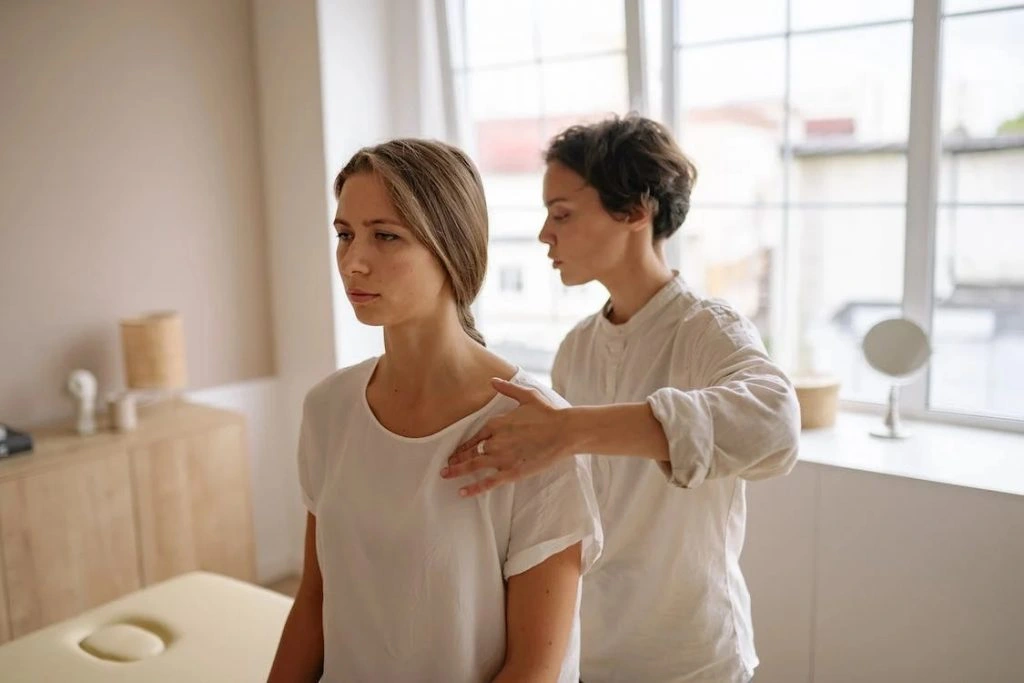
Posture correction in Langley The Impact of Poor Posture In today’s digital age, poor posture has become a pervasive issue. Hunching over screens for extended periods can lead to a range of problems, from back pain to diminished lung capacity. This suboptimal alignment can even affect your overall well-being. This article deals about Posture correction in detail. The Role of Physiotherapy Physiotherapy offers a tailored approach to rectifying posture problems. Skilled physiotherapists assess your body’s alignment, identifying areas of concern. Through targeted exercises and manual therapy, they work to restore balance, strengthen supporting muscles, and alleviate discomfort. Benefits Beyond Aesthetics Posture correction is not just about looking good; it’s about feeling good too. Improved alignment can boost energy levels, enhance respiratory function, and even contribute to a more confident presence. Long-Term Health and Wellness Investing in posture correction through physiotherapy pays dividends for your long-term health. By addressing alignment issues early, you can prevent more severe musculoskeletal problems down the line, promoting a lifetime of pain-free movement. If you’re seeking expert guidance, consider consulting professionals like Langley Physio — Divine Care. Their experienced team combines cutting-edge techniques with personalized care, ensuring you receive the best possible treatment for your unique needs. Remember, your posture is a reflection of your overall health. Prioritize it, and experience the transformative effects it can have on your well-being.

Scroll to Top