
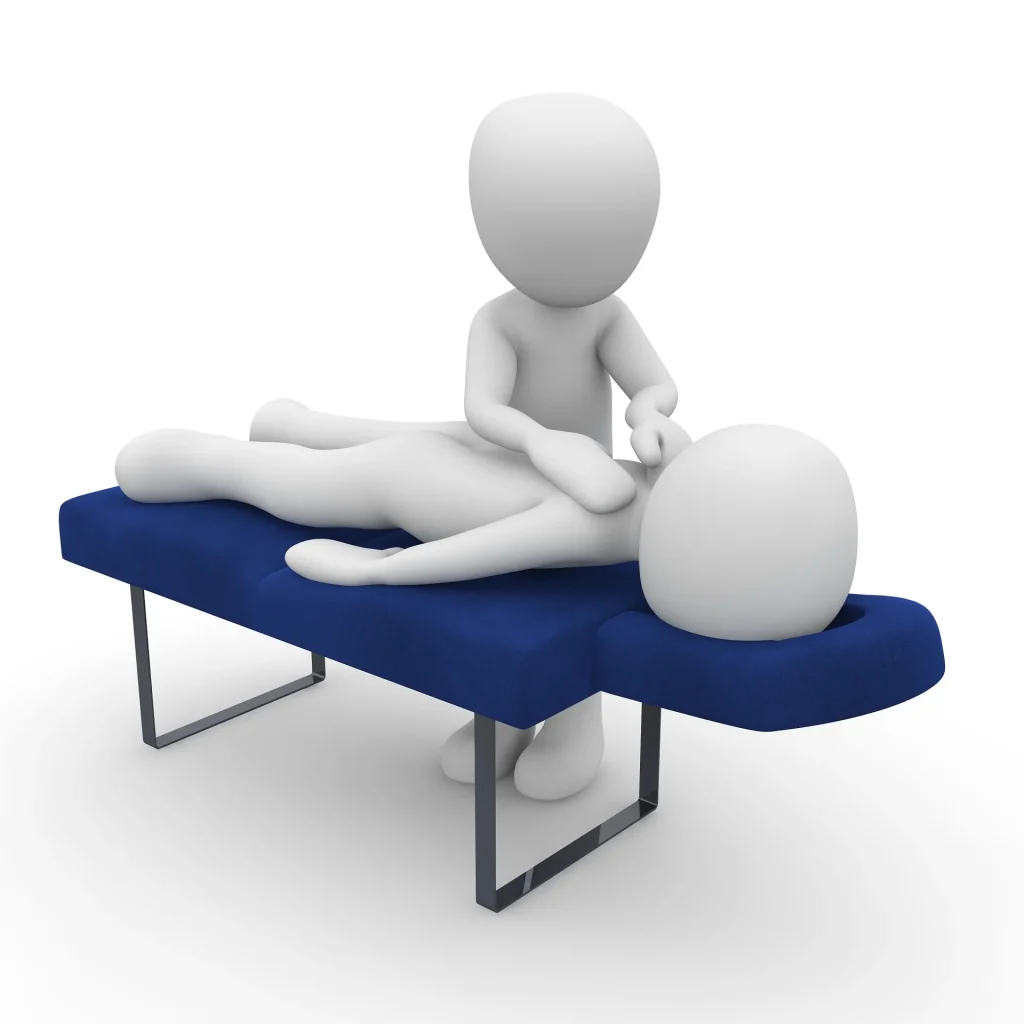
Manual physiotherapy has become an increasingly recognized component of modern rehabilitation, offering a hands-on approach to treating pain, movement restrictions, and musculoskeletal conditions. As healthcare continues to evolve, patients are often presented with different rehabilitation options, including traditional treatment methods that focus primarily on exercise, passive therapies, or general recovery protocols. Understanding how manual physiotherapy differs from traditional rehabilitation can help individuals make more informed decisions about their care. Both approaches aim to improve function, but they often achieve this goal in different ways.
Understanding Manual Physiotherapy
A manual physiotherapy clinic focuses on hands-on treatment techniques performed directly by a physiotherapist. These techniques may include joint mobilization, soft tissue manipulation, stretching, and movement-based interventions designed to improve mobility and reduce discomfort. Rather than relying primarily on equipment or passive treatment modalities, manual physiotherapy emphasizes direct interaction between therapist and patient. This personalized approach allows treatment to be adjusted according to the patient’s specific needs and response.
Traditional Rehabilitation Approaches
Traditional rehabilitation often centers on structured exercise programs, physical conditioning, and recovery protocols that support healing over time. These methods can be highly effective for improving strength, endurance, and overall function. In many settings, treatment may focus on standardized exercise routines, therapeutic modalities, and gradual progression toward recovery goals. While effective, traditional rehabilitation may involve less hands-on intervention than manual physiotherapy.
Key Differences Between the Two Approaches
Several factors distinguish manual physiotherapy from more traditional rehabilitation models:
- Greater emphasis on hands-on treatment
- Individualized movement assessment
- Direct treatment of joint and soft tissue restrictions
- Focus on improving mobility alongside strength
- Immediate feedback during treatment sessions
- Personalized adjustments based on patient response
These differences influence how treatment is delivered and how recovery progresses for different individuals.
Benefits of Manual Physiotherapy
One of the primary advantages of manual physiotherapy is its ability to address movement restrictions directly. By improving joint mobility and soft tissue function, physiotherapists can help patients move more comfortably and efficiently. This approach is commonly used for conditions involving back pain, neck pain, joint stiffness, and sports-related injuries. Many patients benefit from the combination of hands-on care and active rehabilitation strategies.
The Continuing Role of Traditional Rehabilitation
Traditional rehabilitation remains an essential part of healthcare and continues to produce positive outcomes across a wide range of conditions. Exercise-based recovery programs help build strength, improve endurance, and restore functional independence. In many cases, traditional rehabilitation and manual physiotherapy are not competing approaches but complementary components of a comprehensive treatment plan. Combining both strategies often produces the most balanced recovery outcomes.
Choosing the Right Approach
The most appropriate treatment method depends on the individual’s condition, recovery goals, and physical limitations. Some patients benefit significantly from the hands-on techniques offered by a manual physiotherapy clinic, while others may require a greater emphasis on exercise-based rehabilitation. Clinical assessment plays a crucial role in determining the most effective treatment pathway. Personalized care remains the foundation of successful rehabilitation regardless of the specific approach used.
Conclusion
The comparison between manual physiotherapy and traditional rehabilitation highlights the diversity of modern healthcare approaches. Manual physiotherapy offers targeted hands-on treatment that can improve mobility and address physical restrictions, while traditional rehabilitation emphasizes strength, conditioning, and functional recovery. Rather than viewing these methods as opposing strategies, healthcare professionals increasingly recognize their complementary value. A well-designed rehabilitation program often integrates elements of both approaches to support optimal recovery and long-term physical health.Contact Divine Care Physio today to learn more about our physiotherapy services.