Author name: admin

acupuncture-6324472_640intramuscular-stimulation-langley-BC-2
Blog

intramuscular stimulation dry needling functional dry needling

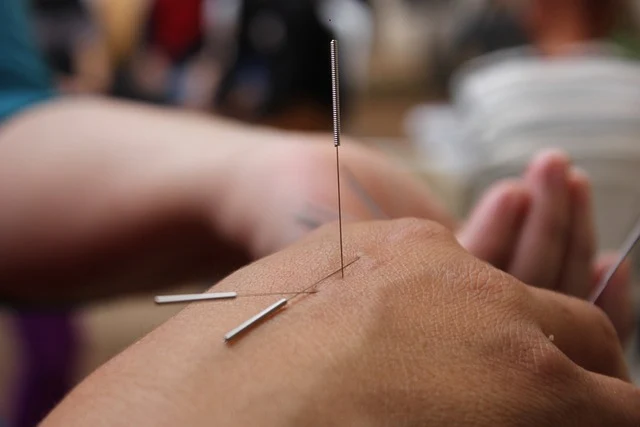
Intramuscular Stimulation (IMS), Dry Needling, Functional Dry Needling (FDN) Dry needling/IMS/Functional Dry Needling helps to improve circulation, produce body’s own painkillers, cause changes in the nervous and muscular structures, reduce inflammation, improve healing.  Dry Needling Dry needling has evolved from traditional Chinese acupuncture but it differs from it in regards to the techniques and the purpose. Dry needling involves use of acupuncture needles to penetrate through skin, soft tissue and many times it is targeted towards trigger points or tights bands of muscles to reduce pain and to reduce tightness in the affected structure.  Intramuscular Stimulation(IMS) The evolution of Intramuscular Stimulation(IMS) and dry needling has happened from traditional Chinese acupuncture, where acupuncture needles are used to target specific areas of the muscles which are injured, tightened or has become weak. IMS is based on the understanding that tightness and shortness in the muscles are the origin of pain in lot of the musculoskeletal conditions. IMS works on the premise that the injuries cause irritation of the nervous structures and can irritate nerves which can cause pain. IMS works on these nervous structures to cause the production of pain-relieving substances in the body to reduce pain.  What to expect from IMS/Dry needling/Functional Dry needling treatment These are not painful treatments but you may feel some discomfort. Majority of people are able to tolerate this treatment well. Our physiotherapists are highly experienced in these techniques and they always make sure that your treatments are not painful. Each person may respond differently to this treatment and that is why your physiotherapist always starts with few needles in the beginning to see your response and proceed as per your tolerance. You may feel some cramping in the muscles for a moment and some people may feel some soreness for up to 24-48 hours after the treatment. The soreness shows that your tissues are responding. Conditions treated Rotator Cuff injuries, Osteoarthritis of Hip and Knee, Patellofemoral pain syndrome, Tennis Elbow, Golfers elbow, Muscles strains, Ligament injuries, Headaches, Neck and back pain, Low back pain, Muscles tightness and tension, Shin splints, Fibromyalgia, Sciatica, Tendinitis, Tendinopathy, Tendinosis FAQ Do I need my doctor’s referral?No. Doctor’s referral is not necessary. If your physiotherapist encounters something which might need the doctor’s opinion then your physiotherapist will refer you to the doctor.How many sessions I would need?Every person’s body and nature of injury is different and which dictates the treatment plan. Our experienced professionals devise a very effective and efficient treatment plan where the goal is to quickly return to the pre-injury activities. Contact Divine Care Physio today to learn more about our physiotherapy services. Book Now

brain-injury-support-in-Langley-BC
Blog

Professional Brain Injury Support in Langley BC Through Physiotherapy

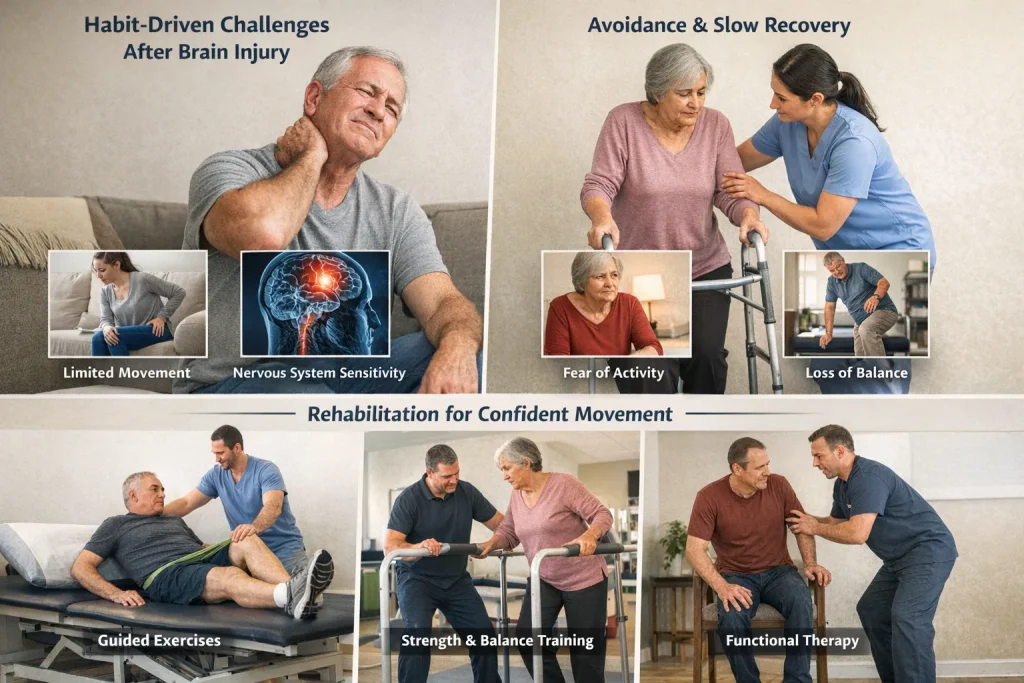
Recovering after a brain injury can feel overwhelming, especially when movement, balance, or coordination does not return as quickly as expected. At Divine Care Physiotherapy, we provide trusted brain injury support in Langley, BC, through personalized, rehabilitation-focused physiotherapy that helps you rebuild confidence, strength, and independence. Our experienced physiotherapists in Langley focus on practical, long-term recovery strategies designed around how your body moves, adapts, and responds to daily activity. Understanding Movement Challenges After Brain Injury After a brain injury, many people experience changes in balance, strength, posture, and coordination. These challenges are not always caused by ongoing tissue damage. In many cases, they develop because the body learns to move more cautiously over time. Reduced activity, altered posture, and protective movement habits can limit how muscles and joints are used. When movement becomes restricted, everyday tasks may feel more difficult, even when the body is capable of gradual improvement. Our neurological physiotherapy in Langley focuses on restoring natural, efficient movement patterns that support long-term recovery How Daily Habits Influence Long-Term Recovery Your daily routines play a major role in how well your body adapts after injury. Sitting for long periods, avoiding certain movements, or relying on compensatory patterns can slow physical progress. Over time, these habits may affect: Joint mobility Muscle strength Balance control Movement confidence At our physiotherapy clinic in Langley, we help you recognize unhelpful movement behaviors and replace them with healthier, more supportive patterns. The Role of the Nervous System in Movement Confidence The nervous system is responsible for how your body senses, controls, and responds to movement. After injury, it can become more sensitive to unfamiliar positions, effort, or fatigue. This increased sensitivity may cause hesitation or avoidance, even when activities are safe. As a result, progress can feel slow or inconsistent. Through guided rehabilitation and education, our physiotherapists help regulate nervous system responses and rebuild trust in movement, supporting steady improvement. Rebuilding Strength, Balance, and Coordination Safely Effective rehabilitation is not about pushing through discomfort. It is about progressing at the right pace with proper guidance. Our brain injury recovery programs in Langley focus on: Improving balance and stability Restoring coordination Building functional strength Enhancing posture and mobility Each program is tailored to your current abilities and adjusted as you gain confidence and capacity. Load Management and Gradual Activity Progression Load management refers to how much physical stress your body handles during daily activities and exercise. Too little activity can slow recovery, while too much can reduce confidence. Our physiotherapists design structured programs that balance movement and rest. This allows your body to adapt safely while improving endurance and resilience. This approach is a core part of our active rehab and neurological physiotherapy services in Langley. How Physiotherapy Supports Functional Independence The goal of rehabilitation is not just symptom relief. It is helping you return to meaningful daily activities with confidence. Physiotherapy at Divine Care Physiotherapy supports: Walking and mobility improvement Work and lifestyle participation Community independence Long-term movement health We focus on practical skills that transfer directly into your everyday life. Why Choose Divine Care Physiotherapy in Langley As a trusted Langley rehab center, we provide patient-focused care built on education, movement science, and individualized planning. Our clinic offers: Experienced neurological physiotherapists Personalized rehabilitation programs Evidence-based treatment methods Supportive, respectful environment• Convenient access for Langley BC residents Whether you are seeking concussion management, stroke rehabilitation, or nervous system rehab in Langley, our team is here to guide your recovery. Start Your Personalized Recovery Journey Today If you are experiencing ongoing movement challenges after a brain injury, a professional physiotherapy assessment can help you understand how your body is adapting and where progress is possible. At Divine Care Physiotherapy, we provide thorough movement evaluations and personalized rehabilitation plans designed to support safe, steady improvement. Book your assessment today and take the next step toward confident, independent movement. Related Physiotherapy Services Explore our specialized rehabilitation programs: Neurological Physiotherapy Langley – https://divinecarephysio.com/neurological-physiotherapy/ Concussion Management Langley – https://divinecarephysio.com/concussion-management/ Stroke Rehabilitation Langley – https://divinecarephysio.com/stroke-treatment-in-langley/ These services work together to support complete nervous system and movement recovery. Contact Divine Care Physio today to learn more about our physiotherapy services. Book Now

Balance Physiotherapy in Langley
Blog

Balance Physiotherapy in Langley

Many people in Langley assume balance problems are just clumsiness, tiredness, or “getting older.” But in reality, balance is controlled by a complex system involving your brain, inner ear, vision, muscles, and joints. When this system stops working efficiently, even simple daily movements can feel unstable. At Divine Care Physiotherapy in Langley, we regularly work with patients who were told to “just be careful” or “slow down” — only to discover that their balance issues were linked to movement habits, reduced activity, and nervous system sensitivity. If you’ve noticed unsteadiness, hesitation when walking, or loss of confidence with movement, balanc physiotherapy in Langley can help you understand what’s really happening and how to improve it safely. How Balance Works in Everyday Movement Your balance system relies on constant communication between: • Your eyes (visual awareness)• Your inner ear (head movement and orientation)• Your muscles and joints (body position feedback)• Your brain (movement control and adaptation) At our physiotherapy clinic in Langley, we assess how these systems interact during walking, turning, standing, and daily activities. Why Reduced Activity and Protective Habits Affect Stability After pain, injury, fatigue, or long periods of inactivity, many people unconsciously change how they move. Common habits include: Walking more slowly Avoiding uneven surfaces Limiting turning or bending Reducing physical activity Keeping movements small These behaviors feel protective, but over time they reduce healthy loading through the legs, spine, and core. Muscles become less responsive, joints receive less stimulation, and balance reactions weaken. Many patients at Divine Care Physiotherapy tell us: “I didn’t realize I was changing how I moved until it started affecting everything.” If this sounds familiar, a professional balance assessment in Langley can help identify these patterns early. The Role of the Nervous System in Balance Confidence Your nervous system controls how quickly and accurately you respond to movement challenges. When movement becomes limited, the nervous system gets fewer chances to practice balance reactions. This can lead to: Slower responses Increased stiffness Hesitation when changing direction Reduced confidence Fear of losing balance This is not weakness. It is reduced exposure and adaptation. Neurological physiotherapy in Langley focuses on retraining these responses through gradual, guided movement. Common Movement Patterns That Limit Coordination During balance physiotherapy assessments, we often see patterns such as: Over-reliance on visual focus Holding unnecessary muscle tension Reduced stride length Minimal trunk rotation Avoidance of quick movements These patterns limit natural coordination and make everyday tasks more demanding than they should be. Identifying and correcting these habits is one of the most effective ways to improve long-term stability. How Balance Physiotherapy in Langley Rebuilds Strength and Control Balance rehabilitation is more than standing on one leg. At Divine Care Physiotherapy in Langley, our approach includes: Strength and mobility training Joint position awareness exercises Vestibular therapy when appropriate Manual therapy to improve movement quality Progressive active rehab programs Real-life balance challenges Your physiotherapist in Langley creates a personalized plan based on how you actually move — not generic routines. Many patients notice improved confidence within weeks when movement patterns and nervous system responses are properly addressed. Building Long-Term Stability Through Guided Rehabilitation Lasting balance improvement comes from consistency and progression.Rather than avoiding challenging situations, physiotherapy teaches your body how to manage them safely. Over time, your nervous system learns that movement is predictable, controlled, and reliable again This reduces compensatory habits and supports independence in daily life. Most importantly, it helps you trust your body again. Building Long-Term Stability Through Guided Rehabilitation You may benefit from balance physiotherapy in Langley if you notice: Ongoing unsteadiness Reduced walking confidence Difficulty on uneven ground Hesitation with turning Avoidance of certain activities Feeling “off-balance” without knowing why Early assessment often leads to faster, more sustainable improvement. Start Your Balance Rehabilitation at Divine Care Physiotherapy At Divine Care Physiotherapy, we specialize in balance rehabilitation, neurological physiotherapy, vestibular therapy, and active rehab in Langley. Our patient-first approach focuses on: Understanding your movement habits Addressing nervous system sensitivity Restoring strength and coordination Building long-term confidence If balance issues are limiting your daily life, a personalized physiotherapy assessment can help you move forward safely. Call 604-401-2946 or https://divinecarephysio.com/make-an-appointment/ : book your appointment online to begin your balance physiotherapy journey in Langley today.

sports-rehab-after-an-ACL-or-meniscus-injury
Blog

Do You Really Need Sports Rehabilitation After an ACL or Meniscus Injury?

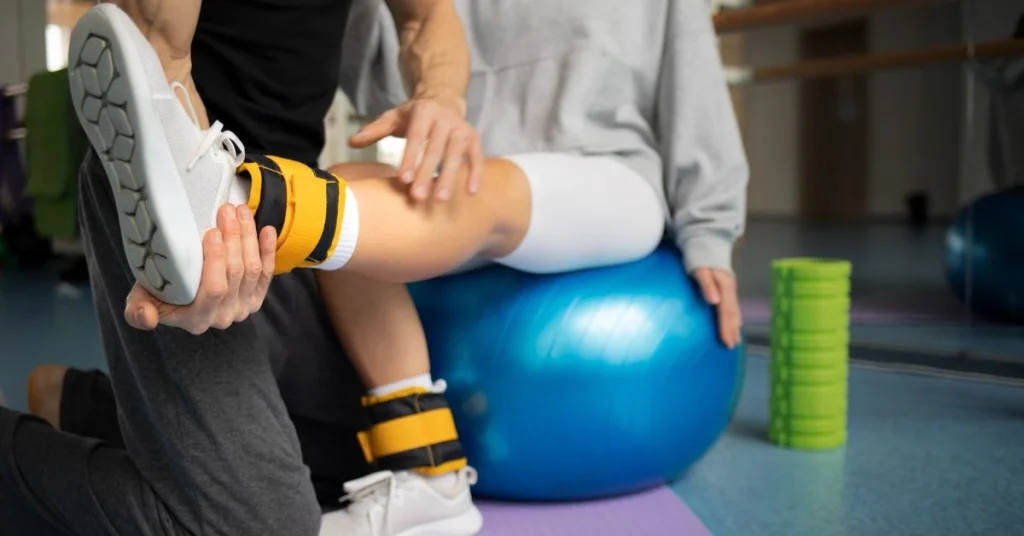
ACL and meniscus injuries are often considered “healed” once pain settles or surgery is completed. However, research shows that tissue healing alone does not guarantee full recovery of strength, control, or functional readiness. At Divine Care Physiotherapy, many patients seeking sports rehab in Langley report lingering weakness, instability, or lack of confidence in their knee months after injury. This raises an important question: Is structured sports rehabilitation really necessary, or will the knee recover on its own? What Happens After ACL or Meniscus Injuries Studies show that after ACL or meniscus injuries, individuals often experience persistent strength deficits, reduced balance, and altered movement patterns. Logerstedt et al. (2018) note that these impairments can remain even when pain and swelling improve, especially if rehabilitation is limited or stopped early. This means the knee may feel better but still lacks the control needed for running, jumping, or sudden direction changes.Why ACL Injuries Require Structured Sports Rehab Following ACL reconstruction, reduced quadriceps strength and impaired neuromuscular control are common. Buckthorpe and Roi (2017) highlighted that many programs undertrain the knee’s ability to generate force quickly—a skill essential for safe sport and daily activities. Grindem et al. (2016) found that athletes who returned to sport only after meeting strength and functional criteria had a much lower risk of reinjury compared to those returning based on time alone. This evidence supports sports rehabilitation in Langley that focuses on objective recovery measures rather than fixed timelines.Meniscus Injuries: Is Surgery Always Needed? Not always. A large trial in JAMA showed that structured physical therapy could produce similar outcomes to early surgery in many meniscus injuries (van der Graaff et al., 2018). Rehabilitation focuses on restoring knee motion, improving muscle strength, and gradually returning to activity. Even when surgery is required, rehab remains essential.Reducing Re-Injury Risk Through Sports Rehab Re-injury risk is linked to strength imbalances, poor movement control, and delayed muscle activation. Arundale et al. (2019) recommend combining physical performance testing with readiness assessment for safer return-to-sport decisions. Sports rehab addresses these risks through progressive strengthening, balance training, and functional movement retraining.When Is It Safe to Return to Activity? Evidence supports criterion-based return to activity, where readiness is determined by strength, movement quality, and functional performance (Logerstedt et al., 2018). This approach leads to safer returns and better long-term outcomes than relying on timelines alone.Final Takeaway Research supports sports rehabilitation in Langley as a vital part of recovery after ACL and meniscus injuries. At Divine Care, tailored rehab restores strength, movement control, and functional readiness, helping patients return safely to activity.References Grindem et al. (2016) — ACL Reinjury Reduction Rules https://pmc.ncbi.nlm.nih.gov/articles/PMC4912389/ PMC Logerstedt et al. (2018) — ACL Rehabilitation Evidence https://pubmed.ncbi.nlm.nih.gov/?term=Logerstedt+D+ACL+rehabilitation+2018 van der Graaff et al. (2018) — Early Surgery vs Physical Therapy (JAMA) https://pubmed.ncbi.nlm.nih.gov/?term=van+der+Graaff+meniscal+tear+2018 Arundale et al. (2019) — Return to Sport Decision Making: https://pubmed.ncbi.nlm.nih.gov/?term=Arundale+ACL+return+to+sport+2019 Buckthorpe & Roi (2017) — Rate of Force Development Training https://pmc.ncbi.nlm.nih.gov/articles/PMC5774916/

massage-therapy-in-langley
Blog

The Benefits of Sports Massage and Therapy: Maximize Your Athletic Performance and Recovery

Sports Massage Therapy Are you an athlete looking to enhance your performance and speed up your recovery time? Look no further than sports massage and therapy. These specialized techniques offer a range of benefits that can bring your athletic performance to the next level. Whether you’re a professional athlete or a weekend warrior, incorporating sports massage and therapy into your training regimen can make a world of difference. One of the key benefits of sports massage is its ability to improve circulation and blood flow. This results in increased nutrient delivery to muscles, helping to reduce soreness and promote faster recovery. Additionally, sports massage can help to reduce the risk of injury by improving flexibility and range of motion. By loosening tight muscles and breaking down scar tissue, it allows for greater mobility and reduces the chance of muscle strain or tears. Another advantage of sports massage is its ability to release muscle tension and promote relaxation. This can have a positive impact on your mental and emotional well-being, helping to reduce stress and anxiety. With regular sports massage sessions, you can ensure that your body and mind are functioning optimally, allowing you to push your athletic limits even further. Incorporating sports massage and therapy into your training routine can be a game-changer for athletes of all levels. Discover the benefits for yourself and maximize your athletic performance and recovery. Understanding the benefits of sports massage Sports massage is a specialized form of massage therapy that is tailored to the unique needs of athletes. Unlike regular massage, sports massage focuses on addressing the specific physical demands and stresses placed on the body during athletic activities. By targeting the muscles, tendons, and connective tissues that are most heavily utilized in sports, sports massage can provide a range of benefits that can enhance athletic performance and promote faster recovery. One of the primary benefits of sports massage is its ability to improve circulation and blood flow. When muscles are engaged in intense physical activity, they require an increased supply of oxygen and nutrients to fuel their work. Sports massage helps to increase the flow of blood and lymph, delivering these essential components to the muscles and facilitating the removal of waste products and lactic acid. This improved circulation can lead to reduced muscle soreness, decreased inflammation, and faster recovery times. In addition to enhancing circulation, sports massage can also help to improve flexibility and range of motion. By targeting areas of muscle tightness and releasing adhesions, sports massage can increase the mobility and elasticity of the muscles, tendons, and connective tissues. This greater flexibility can translate to improved athletic performance, as athletes are able to move with greater ease and efficiency, reducing the risk of injury. Enhances athletic performance Sports massage can have a direct impact on an athlete’s performance by addressing various physical and psychological factors. One of the key ways in which sports massage enhances athletic performance is through its ability to reduce muscle tension and fatigue. During intense physical activity, muscles can become overworked and develop knots or adhesions, which can limit their range of motion and reduce their ability to generate power. Sports massage can help to break down these adhesions, allowing the muscles to function more efficiently and effectively. This can result in increased power output, improved endurance, and a greater ability to maintain proper form and technique throughout the duration of a workout or competition. In addition to its physical benefits, sports massage can also have a positive impact on an athlete’s mental and emotional well-being. The relaxation and stress-relief provided by sports massage can help to reduce anxiety, improve focus, and enhance overall mood. This can be especially valuable for athletes who are under significant pressure to perform at their best. By addressing both the physical and psychological aspects of athletic performance, sports massage can help athletes to achieve their full potential. Improved post-workout recovery One of the most well-known benefits of sports massage is its ability to enhance post-workout recovery. After intense physical activity, the body experiences a range of physiological changes, including muscle soreness, inflammation, and fatigue. Sports massage can help to address these issues, accelerating the recovery process and allowing athletes to return to training or competition more quickly. By improving circulation and promoting the removal of waste products, such as lactic acid, sports massage can help to reduce muscle soreness and inflammation. This can lead to a decrease in the duration and severity of post-workout muscle aches and pains, allowing athletes to bounce back more quickly and with less discomfort. In addition to reducing muscle soreness, sports massage can also help to improve the body’s ability to recover and repair itself. By stimulating the release of endorphins and other natural pain-relieving substances, sports massage can enhance the body’s natural healing processes, promoting the regeneration of muscle tissue and the replenishment of energy stores. This can result in faster recovery times, reduced risk of overtraining, and improved overall athletic performance. Sports massage techniques and their effectiveness Sports massage incorporates a variety of techniques, each with its own unique benefits and applications. Some of the most commonly used sports massage techniques include: Effleurage: A smooth, gliding stroke that is used to warm up the muscles and increase circulation. Effleurage can help to prepare the body for more intense massage techniques and promote relaxation. Petrissage: A kneading, lifting, and squeezing motion that is used to target deeper layers of muscle tissue. Petrissage can help to break up adhesions and improve the mobility of the muscles and connective tissues. Friction: A deep, cross-fiber massage technique that is used to break down scar tissue and adhesions. Friction can help to improve range of motion and reduce the risk of injury. Tapotement: A rhythmic, percussive technique that is used to stimulate the muscles and increase circulation. Tapotement can help to reduce muscle tension and improve overall muscle tone. Myofascial release: A technique that focuses on the connective tissue (fascia) that surrounds and supports the muscles. Myofascial

angelman-syndrome-google-trend-kws-british-columbia-ca
Blog

Can Angelman Syndrome cured by physiotherapy?

No, Angelman syndrome cannot be cured by physiotherapy. Angelman syndrome is a genetic disorder caused by a mutation or deletion of the UBE3A gene on chromosome 15. It affects the nervous system and leads to developmental delays, speech impairments, balance issues, and other neurological problems. However, physiotherapy can be highly beneficial for individuals with Angelman syndrome. While it doesn’t cure the condition, physiotherapy can help improve: Motor Skills: By working on strength, coordination, and balance. Mobility: Assisting in the development of walking and other movements. Flexibility: Reducing stiffness and improving range of motion. Posture and Alignment: Addressing postural issues that may arise due to the syndrome. Physiotherapists often work as part of a multidisciplinary team to support individuals with Angelman syndrome, enhancing their quality of life and helping them reach their full potential.

divine-car-physio-climbing-sports-fi
Blog

The Role of Physiotherapy in Sport Climbing Combined at the Olympics: A Canadian Perspective

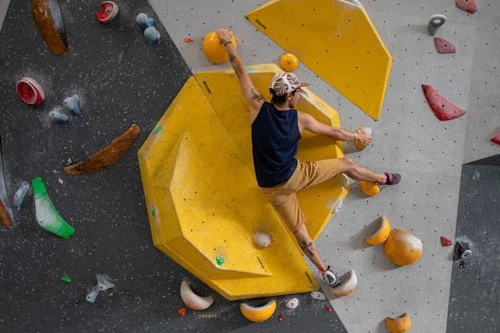
Sport climbing made its Olympic debut at the Tokyo 2020 Games, featuring a unique combined format that includes three disciplines: speed climbing, bouldering, and lead climbing. As the sport continues to gain popularity and recognition, the importance of proper training, injury prevention, and rehabilitation has become unavoidable. In Canada, physiotherapy plays a crucial role in supporting athletes’ performance and overall well-being in sport climbing combined at the Olympics 2024 in Paris. Understanding Sport Climbing Combined Speed Climbing: Athletes race against each other to reach the top of a fixed route in the fastest time. Bouldering: Climbers attempt to complete as many fixed routes as possible on a low wall without ropes within a set time limit. Lead Climbing: Climbers attempt to ascend as high as possible on a wall within a fixed time, clipping into protection points along the way. The Importance of Physiotherapy in Sport Climbing Injury Prevention: Physiotherapists assess and address biomechanical imbalances and weaknesses to prevent common injuries such as finger pulley tears, tendinitis, and shoulder impingements. Custom exercise programs are designed to enhance strength, flexibility, and stability, reducing the risk of injuries especially while climbing. Performance Enhancement: Sport-specific training regimens developed by physiotherapists help improve climbers’ endurance, power, and technique. Manual therapy techniques, such as soft tissue mobilization and joint manipulation, optimize muscle function and mobility. Injury Rehabilitation: Individualized rehabilitation plans ensure a safe and effective recovery from injuries, allowing climbers to return to their sport as quickly and safely as possible. Progressive exercise protocols and pain management strategies are tailored to the specific needs of each athlete. Physiotherapy is an essential component of sport climbing combined at the Olympics, especially in Canada where athletes receive top-notch care and support. By focusing on injury prevention, performance enhancement, and rehabilitation, physiotherapists help climbers achieve their full potential and contribute to the growing success of the sport on the global stage. As sport climbing continues to evolve, the role of physiotherapy will remain vital in ensuring the health and success of athletes.

massage-in-langley-bc-blog-image
Blog

Experience the Best Massage in Langley, BC

Divinecare Physio is one of the premium places to go for a massage in Langley, BC. In our case we know how important our bodies are and thus we have a variety of massages that can help you relax. Leave alone the relief of physical pain, they are also aimed at enhancing your well-being as much as possible. Our Massage Services There are several types of massages available at Divinecare Physio to suit your different requirements. Our experienced therapists assist in relieving chronic pain, treat injuries or just unwind and relax after a long day. Swedish Massage: Ideal for those at the beginning stage of massage therapy, Swedish Massage is characterized by long strokes which aim at relaxing and promoting blood flow within the body. Deep Tissue Massage: This massage is effective in treating individuals with consistent pain or muscle stiffness because it focuses on deeper muscles and connective tissues. Sports Massage: This technique was created specifically for athletes; it prevents and treats injuries as well as improves performance. Prenatal Massage: For pregnant women, this massage helps ease the discomforts related to pregnancy gently. Trigger Point Therapy: In order to relieve pain and improve mobility, trigger points are directly aimed in muscles. Massage Therapy Benefits There are several benefits that arise from having a massage both physically as well as mentally. These are some of the major advantages you get when you make massages a part of your wellness routine: Pain Relief: With its ability to reduce muscle tension in an effective way, it also becomes useful in cases of chronic conditions such as back pain, arthritis and fibromyalgia. Stress Reduction: Cortisol levels can be reduced through massage thus bringing relaxation eliminating anxiety stressors. Improved Circulation: This leads to better healing since there’s enhanced blood flow as well as improved cardiovascular health all together. Regular massage therapy can enable you to maintain your joint flexibility and make it easier for you to do normal daily activities by increasing the range of motion. Studies have found that white blood cells’ activity can be raised by massage therapy thereby improving immunity in a person. Massage also promotes relaxation, reduces stress, improves sleep patterns and increases the quality of sleep. Also, by boosting endorphin levels in the body, massage serves as natural painkiller which uses to enhance mood and well-being. This type of treatment helps in detoxification as it stimulates the lymphatic system which aids in removal of toxins from the body. Why Choose Divinecare Physio for Massage in Langley BC? If you choose Divinecare Physio for your massage therapy in Langley BC, then you are going for professionalism, good service delivery and other attributes that make this firm unique. Here’s a difference: Experienced Therapists: We have skilled practitioners who are fully certified. Our experienced therapists will provide personalized care according to your needs. Comprehensive Approach: We incorporate massage therapy into other physiotherapy treatments so that we offer a holistic approach to health and wellness. Comfortable Environment: At our clinic, you will find a quiet and peaceful place which makes your massage experience very enjoyable and revitalizing. Customized Treatment Plans: Here at Divinecare Physio, we create treatment plans for you based on your own health concerns and objectives. Client-Centered Care: At Divinecare Physio, we care more about you than anything else. We have time to hear your needs hence we provide real support in nurturing your entire well-being.

BPPV Treatment in Langley
Blog

BPPV Treatment in Langley

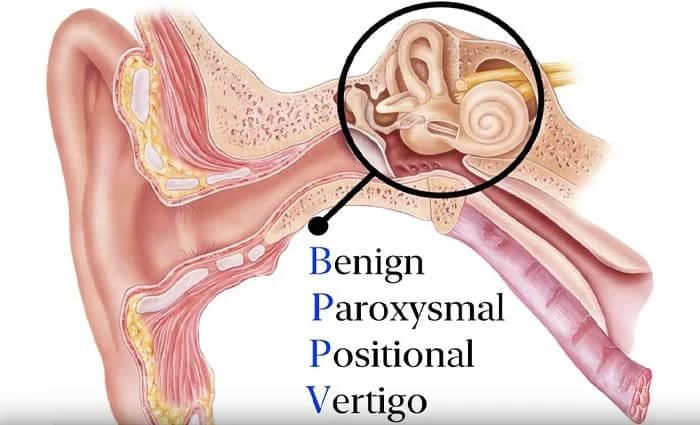
Understanding BPPV: What is it? Benign paroxysmal positional vertigo (BPPV) is a common inner ear disorder that affects balance. It is characterized by brief episodes of vertigo, a sensation of spinning or movement, that are triggered by specific head movements. BPPV is not a serious condition and it usually resolves on its own within a few weeks. However, the symptoms can be very disruptive and can sometimes lead to falls. Symptoms of BPPV The primary symptom of BPPV is vertigo, which is a sensation of spinning or movement. This feeling can be very intense and can last for several minutes. Other symptoms of BPPV may include: Nausea Vomiting Dizziness Loss of balance Nystagmus, which is a rapid jerking movement of the eyes Causes of BPPV BPPV is caused by tiny calcium crystals called otoconia that become dislodged from their normal location in the inner ear and move into the semicircular canals. The semicircular canals are responsible for sensing head movement, and when the otoconia move into these canals, they send false signals to the brain, which creates the sensation of vertigo. The exact cause of otoconia dislodgement is unknown, but there are several risk factors that may increase your chances of developing BPPV, including: Head trauma Aging Inner ear infections Certain medications Meniere’s disease The importance of early diagnosis and treatment While BPPV may resolve on its own, early diagnosis and treatment can help to speed up the recovery process and reduce the risk of recurrence. Physiotherapists in Langley are trained to perform specialized maneuvers that can help to reposition the otoconia back into their normal location, effectively eliminating the vertigo symptoms. BPPV treatment options The primary treatment for BPPV is canalith repositioning maneuvers. These maneuvers are specialized head movements that are designed to help move the otoconia out of the semicircular canals and back into their proper place. Canalith repositioning maneuvers are typically very effective in relieving vertigo symptoms. In some cases, other treatments may be used in conjunction with canalith repositioning maneuvers. These may include: Vestibular rehabilitation exercises: These exercises help to strengthen the balance system and improve coordination. Medications: Certain medications may be prescribed to help control nausea and vomiting. Introduction to BPPV treatment in Langley Langley offers a variety of experienced physiotherapists who specialize in the treatment of BPPV. These physiotherapists have the training and expertise to provide effective and personalized care. Why choose BPPV treatment in Langley? There are several reasons why you should choose BPPV treatment in Langley: Experienced physiotherapists: Langley physiotherapists have extensive experience in treating BPPV and have a proven track record of success. Personalized care: Langley physiotherapists take the time to understand your individual needs and develop a treatment plan that is right for you. Access to advanced treatments: Langley physiotherapists have access to the latest and most effective treatments for BPPV. Convenient location: Langley is conveniently located to serve residents of the Fraser Valley. Expert BPPV physiotherapists in Langley Langley is home to many experienced and qualified BPPV physiotherapists. These physiotherapists have completed specialized training in vestibular rehabilitation and are committed to providing their patients with the best possible care. Divine Care Physiotherapy: A leading BPPV clinic in Langley Divine Care Physiotherapy is a leading BPPV clinic in Langley. The clinic’s physiotherapists have a wealth of experience in treating BPPV and are known for their compassionate and personalized approach to care. How BPPV physiotherapy works BPPV physiotherapy typically involves a combination of canalith repositioning maneuvers and vestibular rehabilitation exercises. Canalith repositioning maneuvers are specialized head movements that are designed to help move the otoconia out of the semicircular canals and back into their proper place. Vestibular rehabilitation exercises help to strengthen the balance system and improve coordination. Rehabilitation exercises for BPPV In addition to canalith repositioning maneuvers, your physiotherapist may also recommend vestibular rehabilitation exercises. These exercises are designed to help strengthen the balance system and improve coordination. Some common vestibular rehabilitation exercises include: Head-shaking exercises Brandt-Daroff exercises Log roll exercises Success stories: Real-life examples of BPPV treatment in Langley Many people have successfully overcome BPPV with the help of physiotherapy treatment in Langley. Here are a few examples: “I had been suffering from BPPV for months and was starting to lose hope. But after just a few sessions

vertigo-langley-canada
Blog

Vertigo Symptoms – Causes – Treatments

 Understanding Vertigo Symptoms Divine Care Physio specializes in identifying and addressing a spectrum of vertigo symptoms. These may include dizziness, a spinning sensation, loss of balance, nausea, and even difficulty with coordination. Our expert team conducts thorough assessments to precisely diagnose and understand the unique symptoms each patient experiences. Exploring Vertigo Causes: Our dedicated professionals delve into the root causes of vertigo, recognizing that it can stem from various issues such as inner ear disorders, vestibular migraines, Meniere’s disease, or certain neurological conditions. Through meticulous examination, Divine Care Physio aims to pinpoint the specific factors contributing to each individual’s symptoms. Tailored Treatments for Lasting Relief: Divine Care Physio takes pride in offering personalized and effective treatments for vertigo. We understand that a one-size-fits-all approach doesn’t suffice. Our physiotherapists craft individualized treatment plans, addressing the unique combination of factors contributing to each patient’s symptoms. Vestibular Rehabilitation as a Core Treatment: One of the central components of our vertigo care is vestibular rehabilitation. Our experienced physiotherapists employ evidence-based exercises and techniques aimed at enhancing the function of the vestibular system, which plays a crucial role in maintaining balance. Vestibular rehabilitation is tailored to each patient’s needs and is a cornerstone of our comprehensive approach.Advanced Techniques for Symptom Management: Divine Care Physio leverages advanced therapeutic techniques to manage and alleviate vertigo symptoms. This may include gaze stabilization exercises, habituation exercises, and positional maneuvers, among other proven methods. Our commitment is to employ cutting-edge approaches that have demonstrated efficacy in providing relief from vertigo. Educating Patients for Long-Term Wellness: Beyond immediate symptom relief, Divine Care Physio prioritizes patient education. We ensure that individuals understand the factors contributing to their symptoms and equip them with knowledge about self-management strategies. Through educational sessions, we empower our patients to actively participate in their recovery journey and maintain long-term wellness. In summary, Divine Care Physio stands as a comprehensive solution for individuals grappling with vertigo symptoms. By understanding the causes, employing tailored treatments, and prioritizing patient education, our clinic is dedicated to providing effective and lasting relief from vertigo, enhancing the overall well-being of our patients.

Scroll to Top