Blog

Blog

Fast Pain Relief with Shockwave Therapy | Divinecare Physiotherapy Langley BC

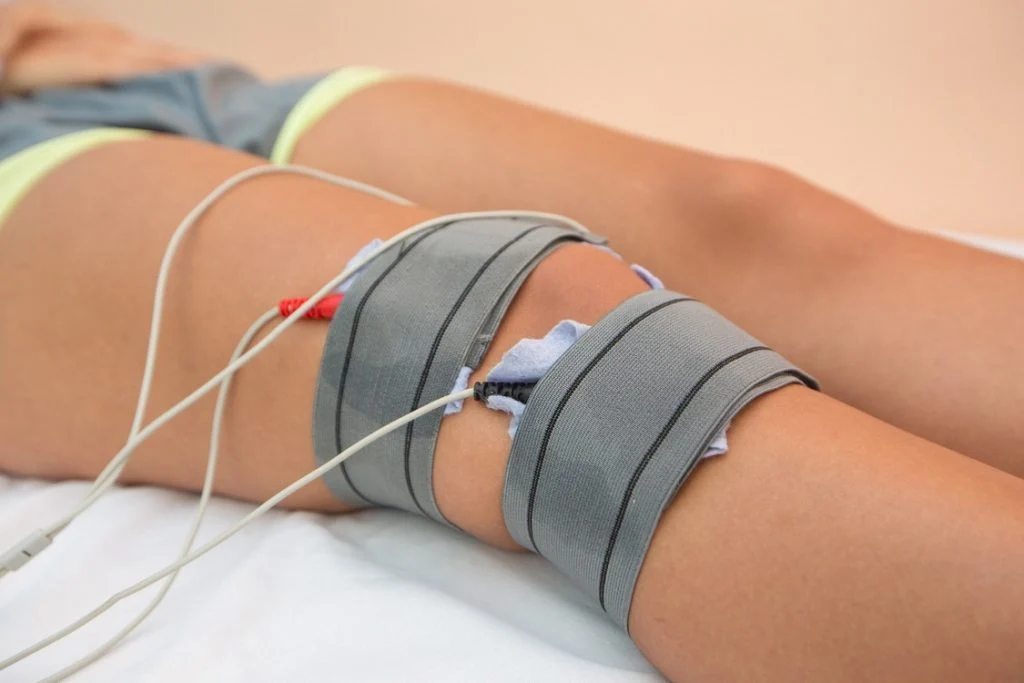
Shockwave Therapy in Langley from Divine Care Physio Don’t worry. Don’t be scared. It is not a therapy where you are given a shock. Shockwave therapy uses a device which generates acoustic waves which are transmitted to the tissues with the help of an applicator. It triggers a biological effect which helps the healing process and formation of healthy tissues.  Benefits of Shockwave therapy: Pain reduction Stimulates collagen formation (collage is a protein that is the part of the structure of tissue, muscles, skin) New blood vessel formation Helps to dissolve the calcification Trigger point release What to expect during and after therapy?Shockwave Therapy feels like taping on your tissue. It is not necessarily a painful therapy but depending on the sensitivity of an individual it may feel little discomforting. Majority of people do not feel painful during the treatment. After the treatment many people feel release in the tissues, relief in pain and in some times it can be painful in the first 24-48 hours and later it gets better. Conditions treated Calcifications, Tennis elbow, Hip pain depending on the condition, Heel spur, Plantar fasciitis, Back pain depending on the condition, Tendinitis, Medial tibial stress syndrome, Chronic tendinopathy, Jumper’s knee, Shoulder pain depending on the condition  FAQ Do I need my doctor’s referral? No. Doctor’s referral is not necessary. If your physiotherapist encounters something which might need the doctor’s opinion then your physiotherapist will refer you to the doctor. How many sessions I would need? Every person’s body and nature of injury is different and which dictates the treatment plan. Our experienced professionals devise a very effective and efficient treatment plan where the goal is to quickly return to the pre-injury activities.  

Blog

7 Ways Divine Care Physiotherapy in Langley Helps You Heal Faster — From BPPV to Sports Injuries

At Divine Care Physiotherapy, we believe in more than just treating pain — we help you recover, restore, and return to your best self. Whether you’re struggling with sudden dizziness, recovering from a sports injury, or looking for emotional support through clinical counselling, our team in Langley provides personalized, compassionate care. Here are 7 effective ways our physiotherapy services in Langley can support your health and healing journey: 1. Clinical Counselling to Support Both Body and Mind Healing isn’t just physical. That’s why Divine Care Physiotherapy in Langley offers clinical counselling to help you manage stress, anxiety, trauma, and emotional changes related to injury or chronic pain. Improves mental resilience during recovery Enhances motivation and therapy results Supports long-term well-being Looking for clinical counselling in Langley? We’re here to help. 2. BPPV Treatment: Say Goodbye to Dizziness Experiencing vertigo or spinning sensations? You might be suffering from Benign Paroxysmal Positional Vertigo (BPPV). Our physiotherapists in Langley use the Epley maneuver and other repositioning techniques to restore balance and ease your symptoms. Accurate assessment of vertigo Hands-on, drug-free therapy Guidance to prevent recurrence Don’t let dizziness disrupt your life — trust our BPPV experts in Langley. 3. Sports Injury Rehabilitation to Get You Back in the Game   From sprains and strains to post-surgery rehab, our sports injury physiotherapy in Langley helps athletes and active individuals recover quickly and safely. Custom rehab programs ACL, shoulder, and knee recovery Performance-focused techniques Get back stronger with Divine Care. 4. Bell’s Palsy Recovery with Focused Facial Therapy Bell’s Palsy recovery is faster with early, targeted physiotherapy. We use neuromuscular stimulation and facial exercises to restore symmetry and mobility. Improves facial muscle control Prevents stiffness and long-term effects Boosts facial confidence Need Bell’s Palsy treatment in Langley? We’re ready to help you smile again. 5. Chronic Pain Management Without Medications If you’re tired of relying on painkillers, our chronic pain physiotherapy in Langley is a natural, long-term solution. Manual therapy and mobilization Posture and movement correction Individualized pain relief plans Say goodbye to chronic pain—naturally. 6. Preventative Physiotherapy for an Active Life Prevent injuries before they happen with our preventative physiotherapy services. We help you build a stronger, more balanced body with mobility and strength training. Ideal for office workers, seniors & athletes Improves posture, balance, and flexibility Reduces future injury risk Stay active and injury-free with Divine Care. 7. Personalized, One-on-One Treatment Plans We believe in personalized physiotherapy tailored to your goals, condition, and lifestyle. Every session is one-on-one with a licensed physiotherapist for better outcomes. Thorough assessments Tailored exercise plans Ongoing support and progress tracking Experience the Divine Care difference in Langley. Book Your Appointment at Divine Care Physiotherapy in Langley Whether you’re healing, recovering, or preventing future injuries, Divine Care Physiotherapy is here for you. From clinical counselling to BPPV treatment and sports rehab, our trusted team offers holistic care in Langley, BC. Call us: 604-401-2946 Book Online: https://divinecarephysio.janeapp.com/ Follow us at YouTube Let your healing begin — with care that’s truly Divine.    

Blog

10 Unexpected Roles for Physiotherapy in Today’s World

Physiotherapy is often linked to injury recovery, but its impact goes far beyond that. In today’s world, physiotherapy plays surprising roles in promoting overall health, preventing future issues, and even improving mental well-being. At Divine Care Physio Langley, our team uses innovative physiotherapy techniques to support patients in ways many don’t expect.  10 roles physiotherapy plays that may surprise you. Supporting Mental Health (Neurological Physiotherapy) Physiotherapy exercises help reduce stress, anxiety, and depression through movement and relaxation. Improving Sleep Quality By relieving pain and stiffness, physiotherapy promotes deeper, more restful sleep. Enhancing Workplace Ergonomics (Concussion management) Physiotherapists guide employees on proper posture to prevent office-related injuries. Managing Chronic Conditions From arthritis to diabetes, physiotherapy helps control symptoms and improve function. Fall Prevention in Seniors Balance and strength training reduce fall risks and improve independence. Learn more Boosting Sports Performance (Sports Physiotherapy and Youth Sports Physiotherapy) Physiotherapy isn’t just for injuries—it helps athletes train smarter and prevent setbacks. Supporting Women’s Health Specialized therapy assists with prenatal, postnatal, and pelvic floor conditions. Helping with Neurological Rehab Conditions like stroke, Parkinson’s, and MS benefit from targeted neurological physiotherapy. Enhancing Cardiovascular Recovery Physio plays a role in rehabilitation after heart surgery or illness. Promoting Healthy Aging Physiotherapy keeps joints mobile, muscles strong, and independence intact as we age.  Discover the Many Benefits of Physiotherapy At Divine Care Physio Langley, we offer more than traditional care—we provide holistic solutions to support every stage of life.

Blog

Health Professions and Occupations Act HPOA

What is the Health Professions and Occupations Act (HPOA) The Health Professions and Occupations Act (HPOA) will replace the current Health Professions Act (HPA) in British Columbia.It has already received Royal Assent and will officially come into force on April 1, 2026.Alongside the new act, regulations, bylaws, and scope of practice statements are being updated and aligned to meet the new standards. Key Changes under Health Professions and Occupations Act (HPOA) These changes will affect all regulated health professions, including physiotherapy. What it Means for Physiotherapists in BC Scope & TitlesPhysiotherapists’ scope of practice will continue but may be expressed differently with clearer restricted activity statements and conditions. Renewals & Bylaw ChangesRenewal cycles and registration requirements are being standardized, and physical therapy renewal dates are being realigned. Discipline and ComplaintsComplaints will move through independent tribunals, with outcomes made public — increasing transparency and accountability. Governance ImpactsRegulatory board members for physiotherapy will be appointed on merit rather than elected, reducing direct practitioner influence. Cultural Safety & Anti-DiscriminationPhysiotherapists will be required to adopt inclusive practices, act with cultural humility, and avoid discriminatory conduct. Public Registry and TrustDisciplinary outcomes will be published in detail, which could impact professional reputation and increase public trust. Potential Challenges & Considerations Transition work to align bylaws, regulations, and training before 2026. Additional compliance costs for both colleges and physiotherapists. Need for clarity around restricted activities and conditions of practice. Managing public perception as registries and published disciplinary actions become more detailed. The Health Professions and Occupations Act (HPOA) brings major updates to physiotherapy regulation in BC, and Divine Care Physio is already committed to these high standards. By focusing on transparency, cultural safety, and patient-centered care, the clinic continues to set an example for physiotherapy in Langley. The clinic’s focus on ethical care, clear communication, and evidence-based treatment ensures patients continue to receive support that aligns with evolving regulatory standards, while fostering confidence that their health is being managed with the highest level of professionalism. References College of Health and Care Professionals of BC – New Health Profession Legislation Comes into Force on April 1, 2026 BC Health Regulators – New Health Profession Legislation BC Health Regulators – Regulatory Modernization Overview College of Physicians and Surgeons of BC – Update: Health Professions and Occupations Act and Professional Regulations Area What’s New / Different Governance & Oversight A new oversight office, the Health Professions and Occupations Regulatory Oversight Office (HPOROO), will monitor regulatory colleges and ensure accountability. Discipline Process Disciplinary hearings will be managed independently by a Director of Discipline and independent tribunals, separate from colleges. Transparency & Public Registry All disciplinary actions and summary protection orders will be included on public registries after hearings. Scope & Titles, Restricted Activities Clearer rules on scopes of practice, reserved titles, restricted activities, and conditions/limits on practice. Duties of Licensees New codified duties for professionals: ethical practice, cooperation, fitness to practise, giving notice, and more. Anti-Discrimination / Cultural Safety Stronger requirements for cultural safety and humility, addressing systemic and Indigenous-specific racism. Board / College Governance College boards will shift to fully appointed members based on merit and competency, ending elections. Amalgamation of Colleges Ongoing reduction and amalgamation of regulatory colleges to improve efficiency and consistency.    

Blog

From Sports Injuries to Erectile Dysfunction: How Shockwave Therapy Can Transform Your Life

Shockwave Therapy in Langley Explained: Are you tired of living with chronic pain from sports injuries? Do you find it difficult to perform in the bedroom due to erectile dysfunction? If so, there is a revolutionary treatment that could transform your life: shockwave therapy. Shockwave therapy is a non-invasive procedure that uses acoustic waves to stimulate healing and repair damaged tissue. Originally developed to treat kidney stones, this innovative therapy has been found to be effective in relieving pain, improving sexual performance, and promoting overall wellness. Whether you are an athlete dealing with a nagging sports injury or a middle-aged man struggling with erectile dysfunction, shockwave therapy offers a safe and drug-free solution. By stimulating the body’s natural healing response, this treatment can help alleviate pain, increase blood flow, and restore functionality to the affected area. Imagine being able to get back on the field without the fear of re-injury, or enjoying a fulfilling and satisfying sex life once again. With shockwave therapy, these dreams can become a reality. Say goodbye to pain and frustration, and embrace a life full of vitality and well-being. Take the first step towards transforming your life today. Divine Care Physio talks about the undergoing shockwave therapy in Langley and its benefits. How shockwave therapy works Shockwave therapy is a cutting-edge medical treatment that utilizes high-energy acoustic waves to stimulate healing and repair damaged tissue. These acoustic waves are generated by a specialized device and delivered to the affected area of the body. The waves penetrate deep into the tissue, promoting the formation of new blood vessels, increasing blood flow, and stimulating the body’s natural healing process. The therapy is based on the principle of mechanotransduction, which refers to the conversion of mechanical signals into biological responses. When the acoustic waves reach the damaged tissue, they create microtrauma, which triggers a cascade of biological reactions. This leads to the release of growth factors, increased production of collagen, and improved blood circulation. The treatment is non-invasive, meaning there are no incisions or injections involved. It is performed in an outpatient setting and typically does not require anesthesia. The procedure is relatively quick, with each session lasting between 15 to 30 minutes, depending on the area being treated. Shockwave therapy has gained popularity in recent years due to its effectiveness in treating a wide range of conditions, including sports injuries and erectile dysfunction. By harnessing the power of acoustic waves, this therapy offers a safe and drug-free alternative to traditional treatments. Benefits of shockwave therapy Shockwave therapy works by delivering acoustic waves to the affected area, stimulating the body’s natural healing process and promoting tissue regeneration. The waves generated by the shockwave therapy device are high-energy and focused, allowing for precise targeting of the injured or damaged tissue. When the acoustic waves reach the affected area, they create microtrauma, which stimulates the release of growth factors and increases the production of collagen. This promotes the formation of new blood vessels, improves blood circulation, and accelerates the healing process. The therapy also helps to break down calcifications and scar tissue, which can impede healing and cause pain. By breaking down these barriers, shockwave therapy helps to restore functionality to the affected area and alleviate pain and discomfort. In addition to its regenerative effects, shockwave therapy also has a vasodilatory effect, meaning it widens blood vessels and improves blood flow. This is particularly beneficial in the treatment of erectile dysfunction, as it helps to increase blood flow to the penis, resulting in improved sexual performance. Overall, shockwave therapy works by stimulating the body’s natural healing response and promoting tissue regeneration. By harnessing the power of acoustic waves, this innovative treatment offers a safe and effective solution for a variety of conditions. Conditions that can be treated with shockwave therapy Shockwave therapy offers a wide range of benefits for individuals suffering from sports injuries, erectile dysfunction, and other conditions. Here are some of the key benefits of this innovative treatment: 1. Non-invasive: Shockwave therapy is a non-invasive procedure, meaning it does not require surgery or injections. This makes it a safe and convenient option for individuals seeking relief from pain and other symptoms. 2. Drug-free: Unlike many traditional treatments, shockwave therapy does not involve the use of drugs or medications. This makes it an appealing option for individuals who prefer natural and drug-free solutions. 3. Fast and convenient: Shockwave therapy sessions are relatively quick, typically lasting between 15 to 30 minutes. The treatment is performed in an outpatient setting, allowing individuals to resume their daily activities immediately afterward. 4. Effective and long-lasting: Numerous studies have demonstrated the effectiveness of shockwave therapy in relieving pain, promoting tissue regeneration, and improving sexual function. The benefits of the treatment are often long-lasting, providing lasting relief and improved quality of life. 5. Minimal side effects: The side effects of shockwave therapy are generally minimal and temporary. Some individuals may experience mild discomfort, redness, or bruising at the treatment site, but these side effects typically resolve on their own within a few days. 6. Versatile: Shockwave therapy can be used to treat a wide range of conditions, including sports injuries, erectile dysfunction, plantar fasciitis, tendonitis, and more. The therapy can be tailored to the specific needs of each individual, ensuring optimal results. These benefits make shockwave therapy an attractive option for individuals seeking a safe and effective treatment for their pain or dysfunction. Whether you are an athlete looking to get back in the game or an individual struggling with erectile dysfunction, shockwave therapy can offer a transformative solution. Shockwave therapy for sports injuries Shockwave therapy has been found to be effective in treating a variety of conditions, ranging from sports injuries to erectile dysfunction. Here are some of the common conditions that can be treated with shockwave therapy: Sports Injuries Sports injuries are a common occurrence among athletes of all levels. These injuries can range from minor sprains and strains to more serious conditions such as tendonitis or plantar fasciitis. Shockwave therapy has

Blog

intramuscular stimulation dry needling functional dry needling

Intramuscular Stimulation (IMS), Dry Needling, Functional Dry Needling (FDN) Dry needling/IMS/Functional Dry Needling helps to improve circulation, produce body’s own painkillers, cause changes in the nervous and muscular structures, reduce inflammation, improve healing.  Dry Needling Dry needling has evolved from traditional Chinese acupuncture but it differs from it in regards to the techniques and the purpose. Dry needling involves use of acupuncture needles to penetrate through skin, soft tissue and many times it is targeted towards trigger points or tights bands of muscles to reduce pain and to reduce tightness in the affected structure.  Intramuscular Stimulation(IMS) The evolution of Intramuscular Stimulation(IMS) and dry needling has happened from traditional Chinese acupuncture, where acupuncture needles are used to target specific areas of the muscles which are injured, tightened or has become weak. IMS is based on the understanding that tightness and shortness in the muscles are the origin of pain in lot of the musculoskeletal conditions. IMS works on the premise that the injuries cause irritation of the nervous structures and can irritate nerves which can cause pain. IMS works on these nervous structures to cause the production of pain-relieving substances in the body to reduce pain.  What to expect from IMS/Dry needling/Functional Dry needling treatment These are not painful treatments but you may feel some discomfort. Majority of people are able to tolerate this treatment well. Our physiotherapists are highly experienced in these techniques and they always make sure that your treatments are not painful. Each person may respond differently to this treatment and that is why your physiotherapist always starts with few needles in the beginning to see your response and proceed as per your tolerance. You may feel some cramping in the muscles for a moment and some people may feel some soreness for up to 24-48 hours after the treatment. The soreness shows that your tissues are responding. Conditions treated Rotator Cuff injuries, Osteoarthritis of Hip and Knee, Patellofemoral pain syndrome, Tennis Elbow, Golfers elbow, Muscles strains, Ligament injuries, Headaches, Neck and back pain, Low back pain, Muscles tightness and tension, Shin splints, Fibromyalgia, Sciatica, Tendinitis, Tendinopathy, Tendinosis FAQ Do I need my doctor’s referral?No. Doctor’s referral is not necessary. If your physiotherapist encounters something which might need the doctor’s opinion then your physiotherapist will refer you to the doctor.How many sessions I would need?Every person’s body and nature of injury is different and which dictates the treatment plan. Our experienced professionals devise a very effective and efficient treatment plan where the goal is to quickly return to the pre-injury activities.

Blog

Professional Brain Injury Support in Langley BC Through Physiotherapy

Recovering after a brain injury can feel overwhelming, especially when movement, balance, or coordination does not return as quickly as expected. At Divine Care Physiotherapy, we provide trusted brain injury support in Langley, BC, through personalized, rehabilitation-focused physiotherapy that helps you rebuild confidence, strength, and independence. Our experienced physiotherapists in Langley focus on practical, long-term recovery strategies designed around how your body moves, adapts, and responds to daily activity. Understanding Movement Challenges After Brain Injury After a brain injury, many people experience changes in balance, strength, posture, and coordination. These challenges are not always caused by ongoing tissue damage. In many cases, they develop because the body learns to move more cautiously over time. Reduced activity, altered posture, and protective movement habits can limit how muscles and joints are used. When movement becomes restricted, everyday tasks may feel more difficult, even when the body is capable of gradual improvement. Our neurological physiotherapy in Langley focuses on restoring natural, efficient movement patterns that support long-term recovery How Daily Habits Influence Long-Term Recovery Your daily routines play a major role in how well your body adapts after injury. Sitting for long periods, avoiding certain movements, or relying on compensatory patterns can slow physical progress. Over time, these habits may affect: Joint mobility Muscle strength Balance control Movement confidence At our physiotherapy clinic in Langley, we help you recognize unhelpful movement behaviors and replace them with healthier, more supportive patterns. The Role of the Nervous System in Movement Confidence The nervous system is responsible for how your body senses, controls, and responds to movement. After injury, it can become more sensitive to unfamiliar positions, effort, or fatigue. This increased sensitivity may cause hesitation or avoidance, even when activities are safe. As a result, progress can feel slow or inconsistent. Through guided rehabilitation and education, our physiotherapists help regulate nervous system responses and rebuild trust in movement, supporting steady improvement. Rebuilding Strength, Balance, and Coordination Safely Effective rehabilitation is not about pushing through discomfort. It is about progressing at the right pace with proper guidance. Our brain injury recovery programs in Langley focus on: Improving balance and stability Restoring coordination Building functional strength Enhancing posture and mobility Each program is tailored to your current abilities and adjusted as you gain confidence and capacity. Load Management and Gradual Activity Progression Load management refers to how much physical stress your body handles during daily activities and exercise. Too little activity can slow recovery, while too much can reduce confidence. Our physiotherapists design structured programs that balance movement and rest. This allows your body to adapt safely while improving endurance and resilience. This approach is a core part of our active rehab and neurological physiotherapy services in Langley. How Physiotherapy Supports Functional Independence The goal of rehabilitation is not just symptom relief. It is helping you return to meaningful daily activities with confidence. Physiotherapy at Divine Care Physiotherapy supports: Walking and mobility improvement Work and lifestyle participation Community independence Long-term movement health We focus on practical skills that transfer directly into your everyday life. Why Choose Divine Care Physiotherapy in Langley As a trusted Langley rehab center, we provide patient-focused care built on education, movement science, and individualized planning. Our clinic offers: Experienced neurological physiotherapists Personalized rehabilitation programs Evidence-based treatment methods Supportive, respectful environment• Convenient access for Langley BC residents Whether you are seeking concussion management, stroke rehabilitation, or nervous system rehab in Langley, our team is here to guide your recovery. Start Your Personalized Recovery Journey Today If you are experiencing ongoing movement challenges after a brain injury, a professional physiotherapy assessment can help you understand how your body is adapting and where progress is possible. At Divine Care Physiotherapy, we provide thorough movement evaluations and personalized rehabilitation plans designed to support safe, steady improvement. Book your assessment today and take the next step toward confident, independent movement. Related Physiotherapy Services Explore our specialized rehabilitation programs: Neurological Physiotherapy Langley – https://divinecarephysio.com/neurological-physiotherapy/ Concussion Management Langley – https://divinecarephysio.com/concussion-management/ Stroke Rehabilitation Langley – https://divinecarephysio.com/stroke-treatment-in-langley/ These services work together to support complete nervous system and movement recovery.

Blog

Balance Physiotherapy in Langley

Many people in Langley assume balance problems are just clumsiness, tiredness, or “getting older.” But in reality, balance is controlled by a complex system involving your brain, inner ear, vision, muscles, and joints. When this system stops working efficiently, even simple daily movements can feel unstable. At Divine Care Physiotherapy in Langley, we regularly work with patients who were told to “just be careful” or “slow down” — only to discover that their balance issues were linked to movement habits, reduced activity, and nervous system sensitivity. If you’ve noticed unsteadiness, hesitation when walking, or loss of confidence with movement, balanc physiotherapy in Langley can help you understand what’s really happening and how to improve it safely. How Balance Works in Everyday Movement Your balance system relies on constant communication between: • Your eyes (visual awareness)• Your inner ear (head movement and orientation)• Your muscles and joints (body position feedback)• Your brain (movement control and adaptation) At our physiotherapy clinic in Langley, we assess how these systems interact during walking, turning, standing, and daily activities. Why Reduced Activity and Protective Habits Affect Stability After pain, injury, fatigue, or long periods of inactivity, many people unconsciously change how they move. Common habits include: Walking more slowly Avoiding uneven surfaces Limiting turning or bending Reducing physical activity Keeping movements small These behaviors feel protective, but over time they reduce healthy loading through the legs, spine, and core. Muscles become less responsive, joints receive less stimulation, and balance reactions weaken. Many patients at Divine Care Physiotherapy tell us: “I didn’t realize I was changing how I moved until it started affecting everything.” If this sounds familiar, a professional balance assessment in Langley can help identify these patterns early. The Role of the Nervous System in Balance Confidence Your nervous system controls how quickly and accurately you respond to movement challenges. When movement becomes limited, the nervous system gets fewer chances to practice balance reactions. This can lead to: Slower responses Increased stiffness Hesitation when changing direction Reduced confidence Fear of losing balance This is not weakness. It is reduced exposure and adaptation. Neurological physiotherapy in Langley focuses on retraining these responses through gradual, guided movement. Common Movement Patterns That Limit Coordination During balance physiotherapy assessments, we often see patterns such as: Over-reliance on visual focus Holding unnecessary muscle tension Reduced stride length Minimal trunk rotation Avoidance of quick movements These patterns limit natural coordination and make everyday tasks more demanding than they should be. Identifying and correcting these habits is one of the most effective ways to improve long-term stability. How Balance Physiotherapy in Langley Rebuilds Strength and Control Balance rehabilitation is more than standing on one leg. At Divine Care Physiotherapy in Langley, our approach includes: Strength and mobility training Joint position awareness exercises Vestibular therapy when appropriate Manual therapy to improve movement quality Progressive active rehab programs Real-life balance challenges Your physiotherapist in Langley creates a personalized plan based on how you actually move — not generic routines. Many patients notice improved confidence within weeks when movement patterns and nervous system responses are properly addressed. Building Long-Term Stability Through Guided Rehabilitation Lasting balance improvement comes from consistency and progression.Rather than avoiding challenging situations, physiotherapy teaches your body how to manage them safely. Over time, your nervous system learns that movement is predictable, controlled, and reliable again This reduces compensatory habits and supports independence in daily life. Most importantly, it helps you trust your body again. Building Long-Term Stability Through Guided Rehabilitation You may benefit from balance physiotherapy in Langley if you notice: Ongoing unsteadiness Reduced walking confidence Difficulty on uneven ground Hesitation with turning Avoidance of certain activities Feeling “off-balance” without knowing why Early assessment often leads to faster, more sustainable improvement. Start Your Balance Rehabilitation at Divine Care Physiotherapy At Divine Care Physiotherapy, we specialize in balance rehabilitation, neurological physiotherapy, vestibular therapy, and active rehab in Langley. Our patient-first approach focuses on: Understanding your movement habits Addressing nervous system sensitivity Restoring strength and coordination Building long-term confidence If balance issues are limiting your daily life, a personalized physiotherapy assessment can help you move forward safely. Call 604-401-2946 or https://divinecarephysio.com/make-an-appointment/ : book your appointment online to begin your balance physiotherapy journey in Langley today.

Blog

Do You Really Need Sports Rehabilitation After an ACL or Meniscus Injury?

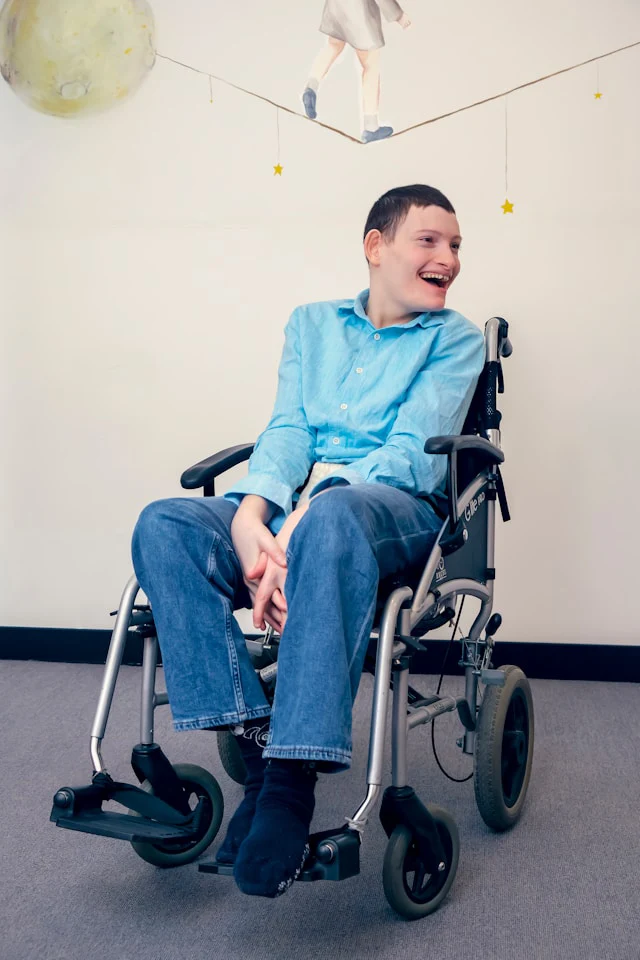
No, Angelman syndrome cannot be cured by physiotherapy. Angelman syndrome is a genetic disorder caused by a mutation or deletion of the UBE3A gene on chromosome 15. It affects the nervous system and leads to developmental delays, speech impairments, balance issues, and other neurological problems. However, physiotherapy can be highly beneficial for individuals with Angelman syndrome. While it doesn’t cure the condition, physiotherapy can help improve: Motor Skills: By working on strength, coordination, and balance. Mobility: Assisting in the development of walking and other movements. Flexibility: Reducing stiffness and improving range of motion. Posture and Alignment: Addressing postural issues that may arise due to the syndrome. Physiotherapists often work as part of a multidisciplinary team to support individuals with Angelman syndrome, enhancing their quality of life and helping them reach their full potential.

Blog

The Benefits of Sports Massage and Therapy: Maximize Your Athletic Performance and Recovery

Sports Massage Therapy Are you an athlete looking to enhance your performance and speed up your recovery time? Look no further than sports massage and therapy. These specialized techniques offer a range of benefits that can bring your athletic performance to the next level. Whether you’re a professional athlete or a weekend warrior, incorporating sports massage and therapy into your training regimen can make a world of difference. One of the key benefits of sports massage is its ability to improve circulation and blood flow. This results in increased nutrient delivery to muscles, helping to reduce soreness and promote faster recovery. Additionally, sports massage can help to reduce the risk of injury by improving flexibility and range of motion. By loosening tight muscles and breaking down scar tissue, it allows for greater mobility and reduces the chance of muscle strain or tears. Another advantage of sports massage is its ability to release muscle tension and promote relaxation. This can have a positive impact on your mental and emotional well-being, helping to reduce stress and anxiety. With regular sports massage sessions, you can ensure that your body and mind are functioning optimally, allowing you to push your athletic limits even further. Incorporating sports massage and therapy into your training routine can be a game-changer for athletes of all levels. Discover the benefits for yourself and maximize your athletic performance and recovery. Understanding the benefits of sports massage Sports massage is a specialized form of massage therapy that is tailored to the unique needs of athletes. Unlike regular massage, sports massage focuses on addressing the specific physical demands and stresses placed on the body during athletic activities. By targeting the muscles, tendons, and connective tissues that are most heavily utilized in sports, sports massage can provide a range of benefits that can enhance athletic performance and promote faster recovery. One of the primary benefits of sports massage is its ability to improve circulation and blood flow. When muscles are engaged in intense physical activity, they require an increased supply of oxygen and nutrients to fuel their work. Sports massage helps to increase the flow of blood and lymph, delivering these essential components to the muscles and facilitating the removal of waste products and lactic acid. This improved circulation can lead to reduced muscle soreness, decreased inflammation, and faster recovery times. In addition to enhancing circulation, sports massage can also help to improve flexibility and range of motion. By targeting areas of muscle tightness and releasing adhesions, sports massage can increase the mobility and elasticity of the muscles, tendons, and connective tissues. This greater flexibility can translate to improved athletic performance, as athletes are able to move with greater ease and efficiency, reducing the risk of injury. Enhances athletic performance Sports massage can have a direct impact on an athlete’s performance by addressing various physical and psychological factors. One of the key ways in which sports massage enhances athletic performance is through its ability to reduce muscle tension and fatigue. During intense physical activity, muscles can become overworked and develop knots or adhesions, which can limit their range of motion and reduce their ability to generate power. Sports massage can help to break down these adhesions, allowing the muscles to function more efficiently and effectively. This can result in increased power output, improved endurance, and a greater ability to maintain proper form and technique throughout the duration of a workout or competition. In addition to its physical benefits, sports massage can also have a positive impact on an athlete’s mental and emotional well-being. The relaxation and stress-relief provided by sports massage can help to reduce anxiety, improve focus, and enhance overall mood. This can be especially valuable for athletes who are under significant pressure to perform at their best. By addressing both the physical and psychological aspects of athletic performance, sports massage can help athletes to achieve their full potential. Improved post-workout recovery One of the most well-known benefits of sports massage is its ability to enhance post-workout recovery. After intense physical activity, the body experiences a range of physiological changes, including muscle soreness, inflammation, and fatigue. Sports massage can help to address these issues, accelerating the recovery process and allowing athletes to return to training or competition more quickly. By improving circulation and promoting the removal of waste products, such as lactic acid, sports massage can help to reduce muscle soreness and inflammation. This can lead to a decrease in the duration and severity of post-workout muscle aches and pains, allowing athletes to bounce back more quickly and with less discomfort. In addition to reducing muscle soreness, sports massage can also help to improve the body’s ability to recover and repair itself. By stimulating the release of endorphins and other natural pain-relieving substances, sports massage can enhance the body’s natural healing processes, promoting the regeneration of muscle tissue and the replenishment of energy stores. This can result in faster recovery times, reduced risk of overtraining, and improved overall athletic performance. Sports massage techniques and their effectiveness Sports massage incorporates a variety of techniques, each with its own unique benefits and applications. Some of the most commonly used sports massage techniques include: Effleurage: A smooth, gliding stroke that is used to warm up the muscles and increase circulation. Effleurage can help to prepare the body for more intense massage techniques and promote relaxation. Petrissage: A kneading, lifting, and squeezing motion that is used to target deeper layers of muscle tissue. Petrissage can help to break up adhesions and improve the mobility of the muscles and connective tissues. Friction: A deep, cross-fiber massage technique that is used to break down scar tissue and adhesions. Friction can help to improve range of motion and reduce the risk of injury. Tapotement: A rhythmic, percussive technique that is used to stimulate the muscles and increase circulation. Tapotement can help to reduce muscle tension and improve overall muscle tone. Myofascial release: A technique that focuses on the connective tissue (fascia) that surrounds and supports the muscles. Myofascial

Scroll to Top